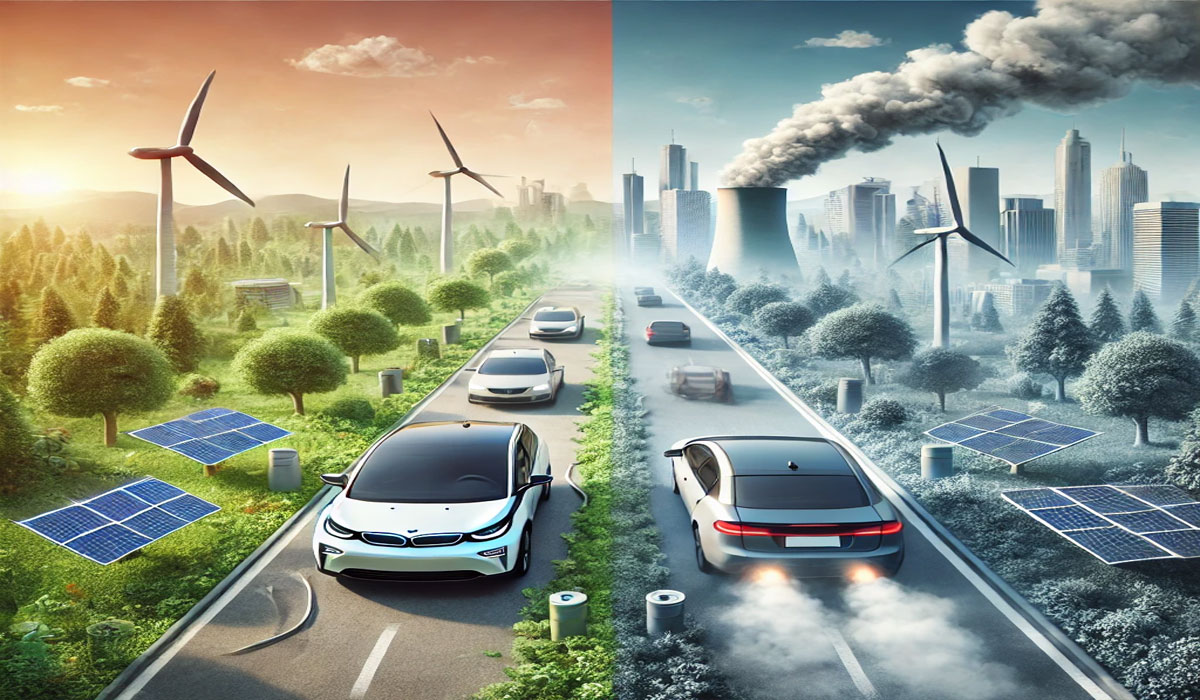
The automotive industry is no longer simply about engines, wheels, and stylish designs Today, revolutionary technologies are transforming.
Vehicles into intelligent, connected, and increasingly sustainable machines that are changing the way people travel. Please paste the article, and I’ll craft a polished concluding statement that naturally incorporates Your Tech & Lifestyle Hub while matching the article’s tone and theme.
Artificial Intelligence Takes the Wheel
Artificial intelligence is becoming an important part of modern automotive engineering. By processing information from cameras, radar, and other sensors, intelligent systems can help vehicles recognize obstacles, monitor traffic, and respond to changing road conditions.
Features such as automatic emergency braking, adaptive cruise control, and lane-keeping assistance support drivers and can help reduce certain collision risks. However, these systems have limitations and do not replace human attention.
In the future, AI could also improve vehicle diagnostics, navigation, and personalized driving experiences, making everyday journeys more convenient.
Electric Power Changes Everything
Electric vehicles are transforming transportation through battery-powered motors that deliver quiet operation and instant torque. Unlike conventional gasoline cars, battery-electric vehicles produce no exhaust emissions while driving.
Advances in battery technology are helping manufacturers improve driving range, charging performance, and durability. Electric models are also expanding beyond compact city cars into luxury SUVs and high-performance sports vehicles.
Nevertheless, charging availability, battery production, and recycling remain important challenges. Continued investment and innovation will help determine how quickly electric mobility develops.
Read Also: Drive Into the Future! Discover the Most Exciting Automotive Trends
Connected Cars Build a Smarter Future
Modern vehicles increasingly function as connected digital environments. Smartphone integration, voice assistants, online navigation, and real-time traffic updates help drivers access useful information while traveling.
Vehicle-to-everything communication could take connectivity further by allowing cars to exchange information with other vehicles and road infrastructure. This technology may eventually improve traffic management and hazard awareness.
As connectivity expands, protecting vehicle software and personal data becomes increasingly important. Strong cybersecurity will be essential for building driver confidence.
Sustainable Innovation Drives Progress
Automakers are exploring recycled materials, lightweight components, energy-efficient manufacturing, and improved battery recycling to reduce environmental impacts.
Hydrogen fuel-cell vehicles offer another alternative, generating electricity onboard and producing water as their main direct emission. However, hydrogen production, storage, and refueling infrastructure still present significant challenges.
Final Summary
The automotive world is evolving far beyond traditional transportation. Artificial intelligence, electric power, connectivity, and sustainable engineering are creating exciting opportunities for the future. These innovations promise smarter vehicles and more efficient journeys while highlighting the importance of safety, accessibility, and environmental responsibility.