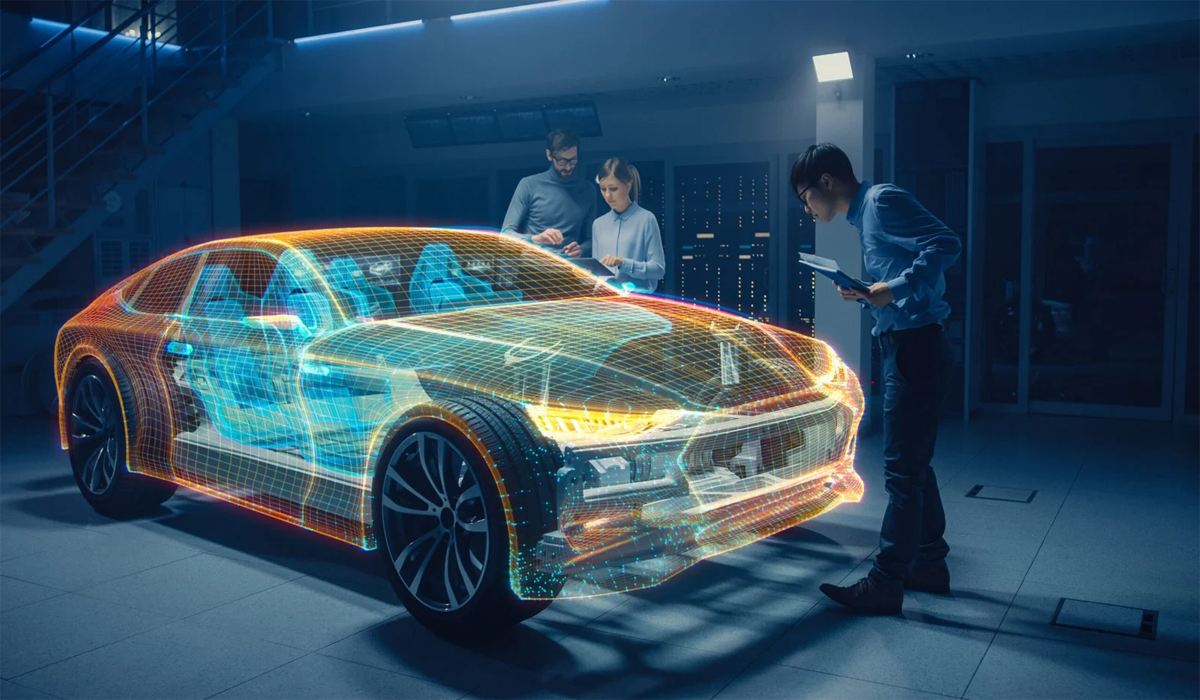
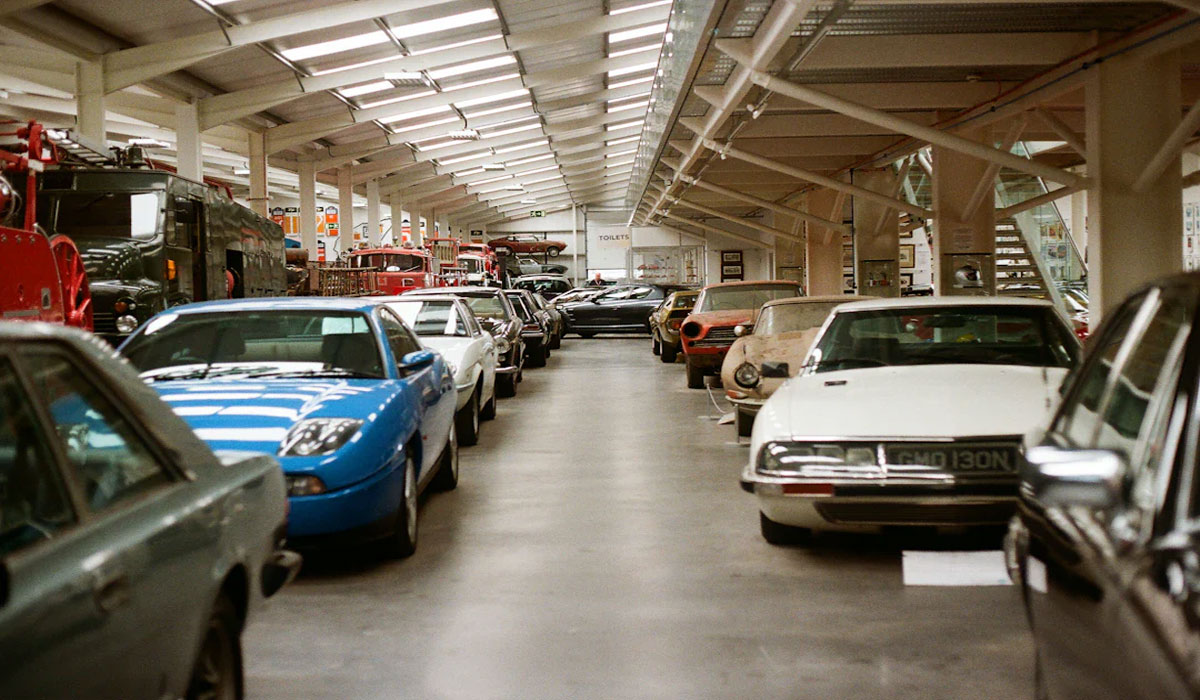
The automotive industry is entering an exciting new chapter, where groundbreaking technology, cleaner energy.
And intelligent engineering are transforming the vehicles we drive and the journeys we take. Please paste the article, and I’ll craft a polished concluding statement that naturally incorporates Your Tech & Lifestyle Hub while matching the article’s tone and theme.
Electric Vehicles Are Leading the Way
Electric vehicles are becoming a major force in modern transportation. Powered by rechargeable batteries and electric motors, they offer quiet operation, instant acceleration, and zero tailpipe emissions.
Automakers are investing heavily in battery development to improve driving range, charging speed, and long-term performance. Electric cars are also expanding into new categories, including family SUVs, luxury models, and high-performance sports cars.
Although charging infrastructure and battery costs remain important challenges, continued innovation is making electric mobility increasingly practical and accessible.
Artificial Intelligence Is Transforming Driving
Artificial intelligence is helping vehicles become smarter and more responsive. Advanced cameras, radar, and sensors allow modern systems to recognize traffic signs, monitor surrounding vehicles, and detect potential hazards.
Features such as adaptive cruise control, lane-keeping assistance, and automatic emergency braking can support drivers and improve road safety. However, these technologies still require responsible human supervision.
In the coming years, smarter software could also improve navigation, predict maintenance needs, and personalize the driving experience.
Read Also: From Supercars to Electric Vehicles! Explore the Machines Everyone Is Talking About
Connected Cars Create Smarter Journeys
Connectivity is changing the way drivers interact with their vehicles. Modern cars increasingly feature smartphone integration, voice assistants, online navigation, and real-time traffic information.
Vehicle-to-everything communication could take this technology even further by allowing cars to exchange information with nearby vehicles and road infrastructure. This may help improve traffic flow and provide earlier warnings about road hazards.
However, greater connectivity also makes cybersecurity and personal data protection essential priorities for automakers.
Sustainable Innovation Shapes Tomorrow
The future of automotive design is increasingly focused on sustainability. Manufacturers are exploring recycled materials, lightweight components, efficient production methods, and improved battery recycling.
Hydrogen fuel-cell technology is another promising development, particularly for certain transportation applications. It generates electricity onboard and produces water as its main direct emission, although infrastructure and production costs remain significant obstacles.
Final Summary
The automotive future is being shaped by electric mobility, artificial intelligence, connected technology, and sustainable engineering. These exciting trends are changing more than just how cars look and perform. They are redefining transportation and creating new possibilities for cleaner, smarter, and safer journeys.