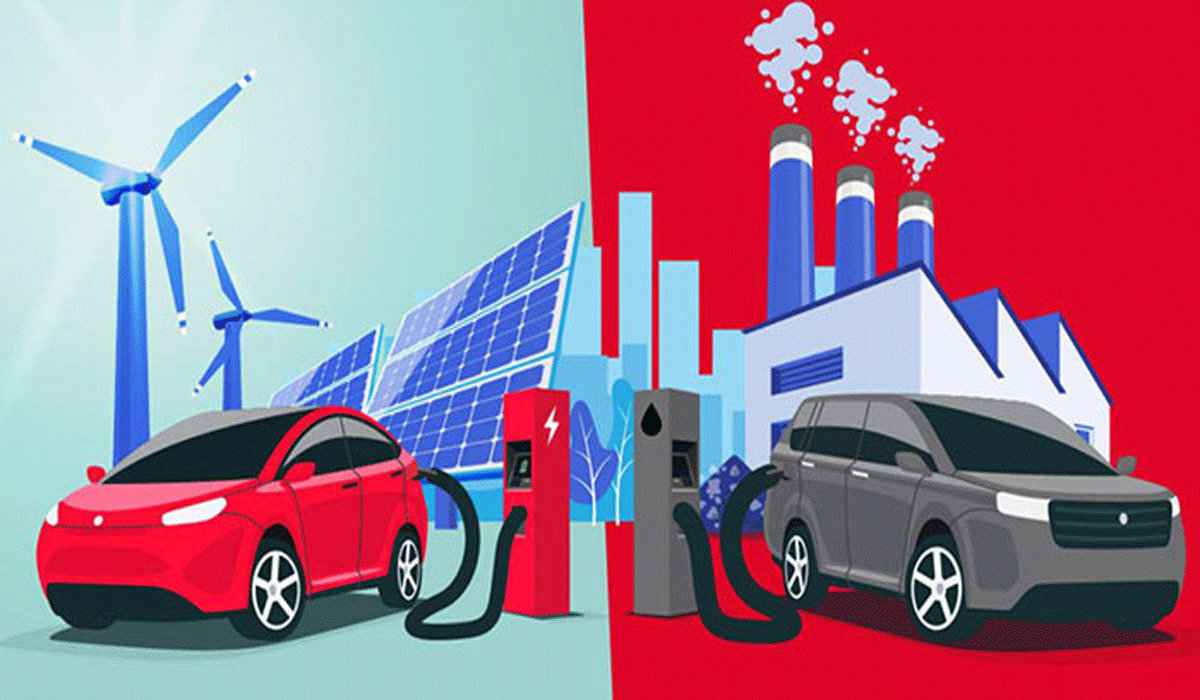
The automotive world is evolving faster than ever, bringing together groundbreaking technology, innovative design.
And powerful engineering to transform the way we travel, work, and experience everyday life.Please paste the article, and I’ll craft a polished concluding statement that naturally incorporates Your Tech & Lifestyle Hub while matching the article’s tone and theme.
The Evolution of Automotive Engineering
Automobiles have come a long way from the early mechanical vehicles that once revolutionized transportation. Today, modern cars combine advanced engineering, intelligent software, and sophisticated safety systems to deliver smoother and more comfortable journeys.
Manufacturers continuously explore new materials and technologies to improve vehicle performance, durability, and efficiency. Lightweight structures, aerodynamic designs, and advanced engines are helping vehicles become more capable than ever.
These developments are not just about speed or luxury. They reflect a broader ambition to create transportation that is safer, more accessible, and better suited to modern lifestyles.
Electric Vehicles Are Changing the Game
Electric vehicles are reshaping the automotive industry by offering an alternative to traditional gasoline-powered transportation. Instead of internal combustion engines, they use electric motors powered by rechargeable batteries.
One major advantage is that battery-electric vehicles produce no exhaust emissions while driving. Their quiet operation and responsive acceleration also create a distinctive driving experience.
Although charging infrastructure, battery costs, and driving range remain important challenges, ongoing innovation is making electric mobility increasingly practical for everyday drivers.
Read Also: The Secret to Sports & Fitness Performance Through Proper Training
Smart Technology Behind the Wheel
Modern vehicles are becoming intelligent machines equipped with features designed to improve convenience and safety. Touchscreen displays, voice controls, navigation systems, and smartphone connectivity help drivers stay informed and connected.
Advanced driver assistance systems can support tasks such as maintaining safe distances, detecting nearby vehicles, and warning drivers about potential collisions. However, these technologies do not replace attentive driving.
Looking ahead, connected vehicles and increasingly sophisticated automation could transform traffic management and the driving experience.
The Road Ahead for Automotive Innovation
The future of automotive technology will likely bring further improvements in electrification, autonomous driving, alternative fuels, and sustainable manufacturing. Automakers are exploring ways to reduce environmental impacts throughout a vehicle’s life cycle.
Artificial intelligence and real-time data may also help vehicles communicate with infrastructure, improve route planning, and make transportation more efficient.
Final Summary
The automotive industry is much more than engines, wheels, and impressive designs. It is a world of innovation that influences how people live, work, and connect. As technology continues to advance, the vehicles of tomorrow promise exciting possibilities for a smarter, safer, and more sustainable transportation future.