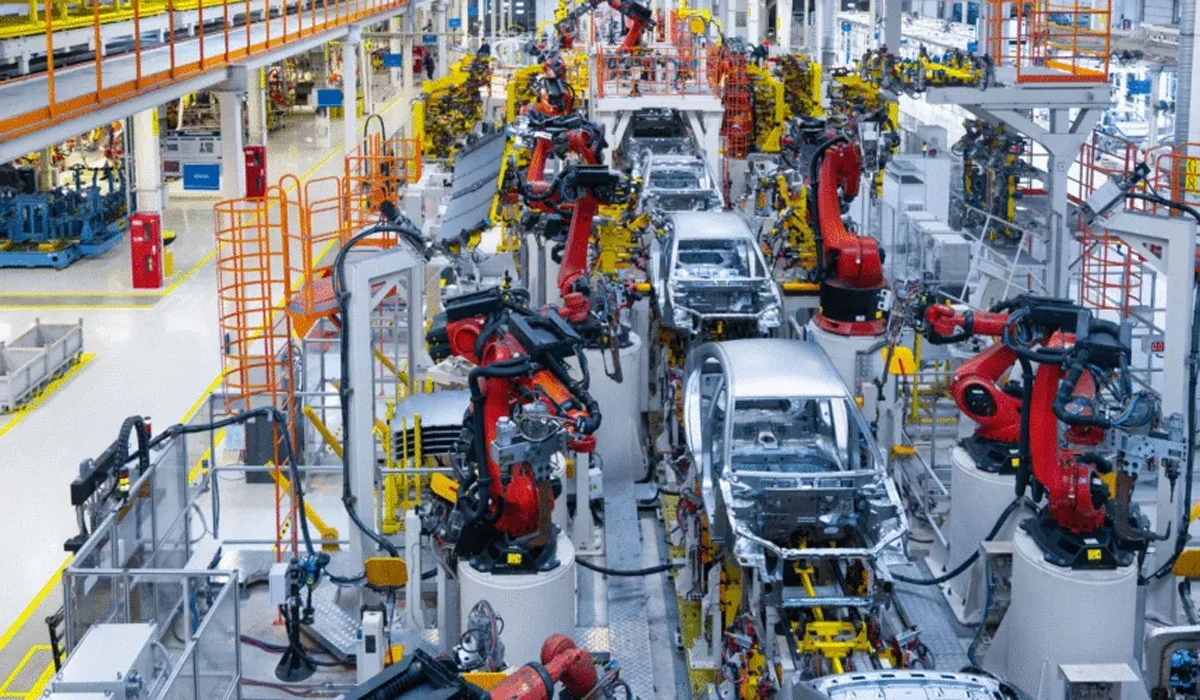
The automotive industry is entering an extraordinary era where science fiction is becoming reality with revolutionary.
Technologies transforming how vehicles are designed, powered, connected, and driven. Please paste the article, and I’ll craft a polished concluding statement that naturally incorporates Your Tech & Lifestyle Hub while matching the article’s tone and theme.
Electric Power and Solid-State Batteries
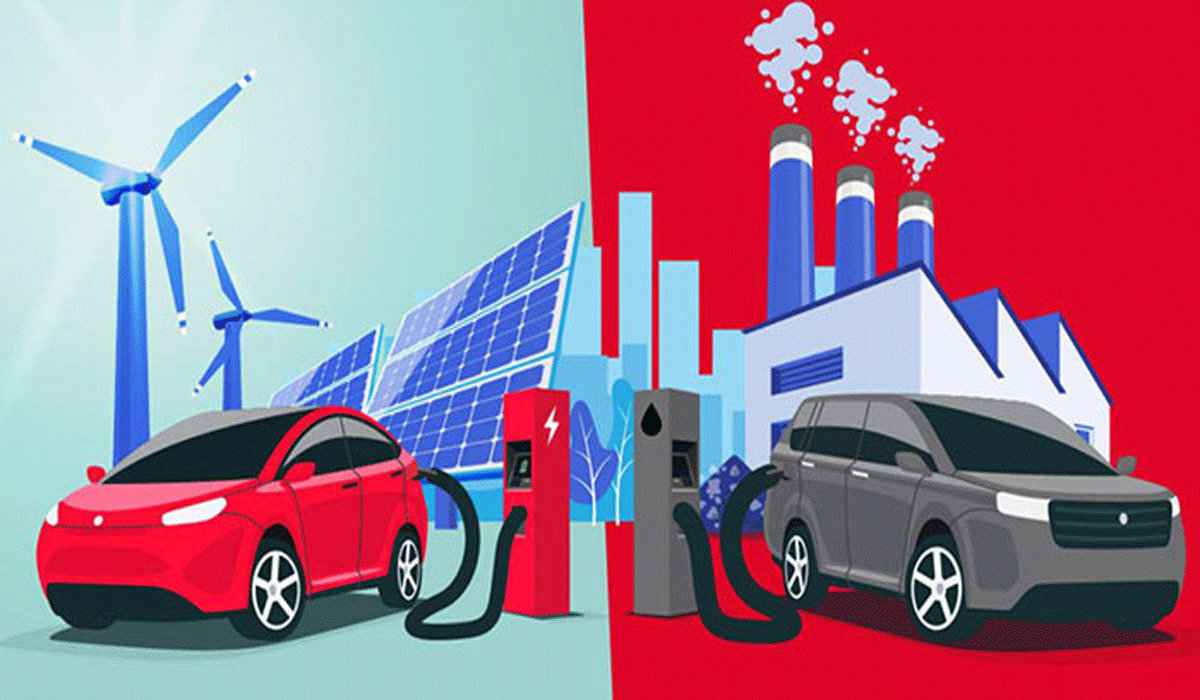
Electric vehicles are changing transportation with quiet motors, instant acceleration, and zero tailpipe emissions. Their growing popularity is encouraging manufacturers to rethink traditional vehicle design.
One exciting development is solid-state battery technology. Unlike conventional lithium-ion batteries, these batteries use solid electrolytes and could offer improved energy density and safety.
Although widespread commercial adoption remains a challenge, continued research could make future electric vehicles lighter, faster to charge, and capable of traveling farther.
Autonomous Driving Technology
Self-driving technology uses cameras, radar, sensors, and artificial intelligence to understand the surrounding environment. These systems help vehicles recognize road markings, nearby traffic, pedestrians, and obstacles.
Some advanced vehicles can perform specific driving tasks with limited human involvement under carefully defined conditions. However, fully autonomous driving in every environment is not yet a widespread reality.
As technology improves, autonomous systems could make transportation more convenient and help reduce certain types of human driving errors.
Read Also: Inside the World of Automotive! Discover the Incredible Machines Changing Our Lives
Augmented Reality and Smart Windshields
Imagine seeing navigation directions projected directly onto your windshield. Augmented reality displays can place useful digital information within the driver’s field of view.
Some systems highlight upcoming turns, display vehicle speed, and provide warnings about potential hazards. This can help drivers access important information without constantly looking away from the road.
Future developments may introduce even more interactive displays, making vehicle interiors feel like intelligent digital environments.
Vehicles That Communicate and Adapt
Connected vehicle technology allows cars to exchange information with other vehicles, infrastructure, and digital networks. This communication could help drivers anticipate traffic conditions and identify potential hazards.
Other innovations include advanced parking assistance, adaptive suspension systems, and intelligent energy management. These technologies help vehicles respond more effectively to changing road conditions.
Final Summary
From electric power and autonomous systems to augmented reality and connected technology, automotive innovation is reshaping the future of mobility. These ten remarkable developments show how far engineering has progressed and how much potential remains. The next generation of vehicles may be smarter, cleaner, safer, and more connected than ever before.