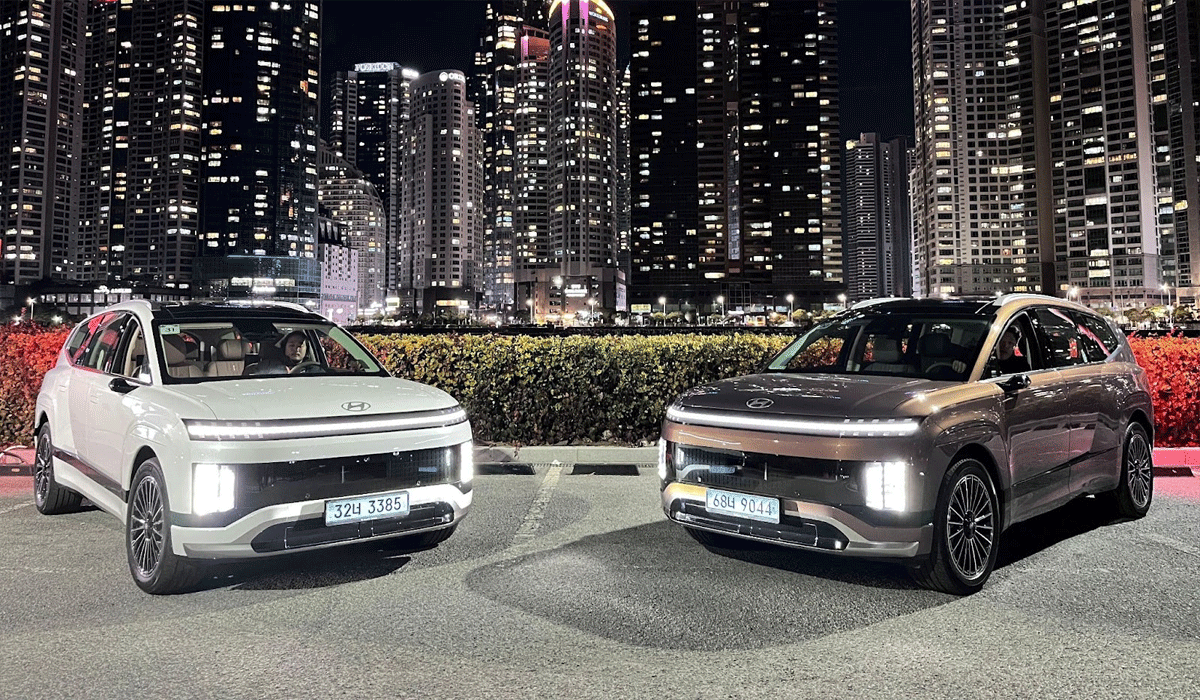
Imagine stepping into a vehicle that understands your preferences, helps you navigate traffic, and travels using cleaner energy.
This exciting vision is becoming increasingly realistic as automotive innovations reshape the future of transportation. Please paste the article, and I’ll craft a polished concluding statement that naturally incorporates Your Tech & Lifestyle Hub while matching the article’s tone and theme.
Electric Vehicles Lead the Revolution
Electric vehicles are transforming the automotive industry with advanced batteries and efficient electric motors. They offer quiet operation, instant torque, and zero tailpipe emissions, making them an attractive alternative to traditional gasoline-powered cars.
Manufacturers are developing improved battery systems that promise longer driving ranges, faster charging, and greater durability. Some electric vehicles already deliver impressive acceleration and performance that rival conventional sports cars.
Although charging infrastructure, battery costs, and material sourcing remain challenges, continued investment is helping electric mobility become more accessible.
Artificial Intelligence Makes Driving Smarter
Artificial intelligence is giving modern vehicles the ability to interpret information from cameras, radar, and other sensors. These technologies help cars detect nearby vehicles, recognize road markings, and identify potential hazards.
Advanced driver assistance features such as automatic emergency braking, adaptive cruise control, and lane-keeping assistance can make driving safer and more convenient. However, drivers must remain attentive because these systems have limitations.
Future AI developments could also improve navigation, predict mechanical problems, and personalize vehicle settings according to individual preferences.
Read Also: Unbelievable Vehicles! Discover the World’s Most Powerful and Extraordinary Machines
Autonomous Technology Changes Transportation
Self-driving technology is one of the most fascinating developments in automotive engineering. Autonomous systems combine sensors, computing power, and sophisticated software to help vehicles understand and respond to their surroundings.
Some vehicles already offer automated driving functions under specific conditions, but fully autonomous transportation remains a developing technology. Safety testing, regulations, and reliable performance in unpredictable environments are essential before wider adoption.
If these challenges are overcome, autonomous vehicles could transform mobility for commuters, businesses, and people with limited transportation options.
Sustainable Technology Shapes Tomorrow
The future of automotive innovation extends beyond electric motors. Manufacturers are exploring recycled materials, lightweight structures, hydrogen fuel cells, and more sustainable production methods.
Connected vehicles may also communicate with traffic infrastructure to improve route planning and reduce congestion. Combined with smarter energy management, these technologies could make transportation more efficient.
Final Summary
The future of driving will be shaped by electric power, artificial intelligence, autonomous systems, and sustainable engineering. Although challenges remain, these innovations are creating exciting opportunities for cleaner, smarter, and more convenient transportation. The next automotive revolution is already underway, and the road ahead looks more extraordinary than ever.