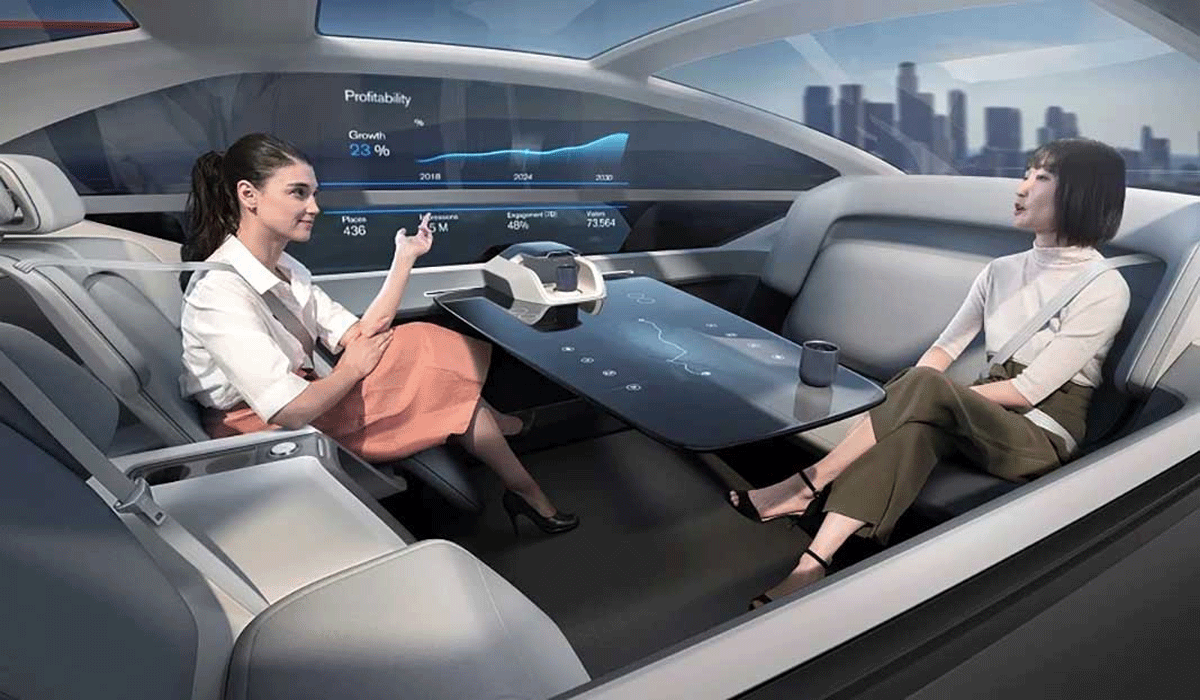
The automotive world is accelerating toward an exciting new era, where electric power, intelligent technology.
And revolutionary engineering are transforming the way we drive and experience transportation. Please paste the article, and I’ll craft a polished concluding statement that naturally incorporates Your Tech & Lifestyle Hub while matching the article’s tone and theme.
Electric Vehicles Take Center Stage
Electric vehicles are becoming an increasingly important part of the global automotive industry. Powered by rechargeable batteries and electric motors, they offer quiet operation, responsive acceleration, and zero tailpipe emissions.
Major manufacturers are investing in better battery technology to improve driving range, charging speed, and overall performance. These developments are making electric cars more practical for everyday journeys.
However, challenges such as charging infrastructure, battery costs, and access to essential materials still need attention before electric mobility becomes accessible to everyone.
Artificial Intelligence Behind the Wheel
Artificial intelligence is transforming modern vehicles by helping them understand their surroundings and respond to changing driving conditions. Cameras, radar, and other sensors provide information that advanced software uses to support drivers.
Features such as automatic emergency braking, lane-keeping assistance, and adaptive cruise control can make journeys safer and more convenient. These systems assist drivers but do not eliminate the need for attention and responsibility.
In the future, smarter software could improve traffic prediction, vehicle diagnostics, and personalized driving experiences.
Read Also: Beyond the Road! 10 Amazing Automotive Innovations You Won’t Believe Exist
The Rise of Connected Cars
Modern vehicles are becoming connected digital environments. Smartphone integration, online navigation, voice commands, and real-time traffic updates help drivers stay informed and entertained.
Vehicle-to-everything communication is another promising development. It could allow cars to exchange information with nearby vehicles and road infrastructure, potentially improving traffic flow and hazard awareness.
As connectivity expands, cybersecurity and personal data protection will become increasingly important for manufacturers and vehicle owners.
Sustainable Innovation and Future Design
Automakers are exploring sustainable materials, energy-efficient manufacturing, and improved vehicle recycling to reduce environmental impacts. Lightweight components and aerodynamic designs can also help improve efficiency.
Alternative technologies, including hydrogen fuel cells, are being developed for applications where battery-electric solutions may be less practical.
Final Summary
The future of automotive technology is about much more than faster engines and stylish designs. Electric power, artificial intelligence, connectivity, and sustainability are shaping a new generation of transportation. As these innovations advance, tomorrow’s cars could deliver cleaner, smarter, and more convenient journeys for people around the world.