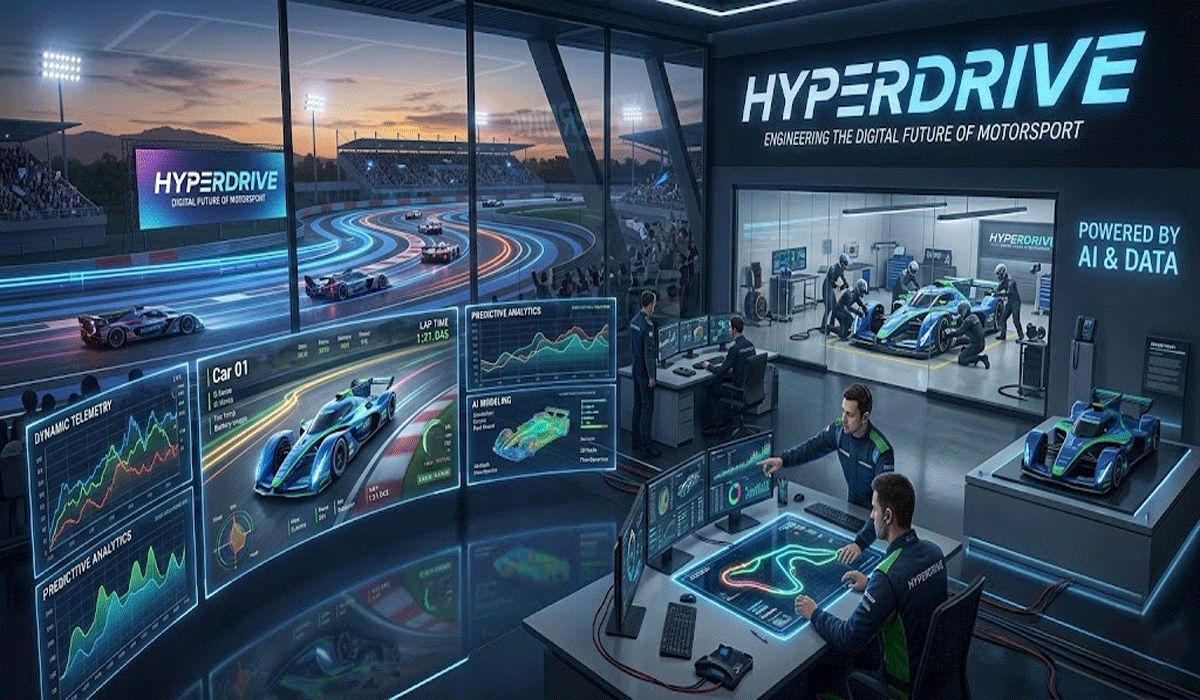
Engineering the Digital Future of Motorsports Exploring how data, AI, and simulation technologies are engineering the digital future of motorsports innovation.
Below, TEACHING will provide some explanations regarding Reinventing Learning Systems for an Innovation-Driven Future.
The Convergence of Speed and Software
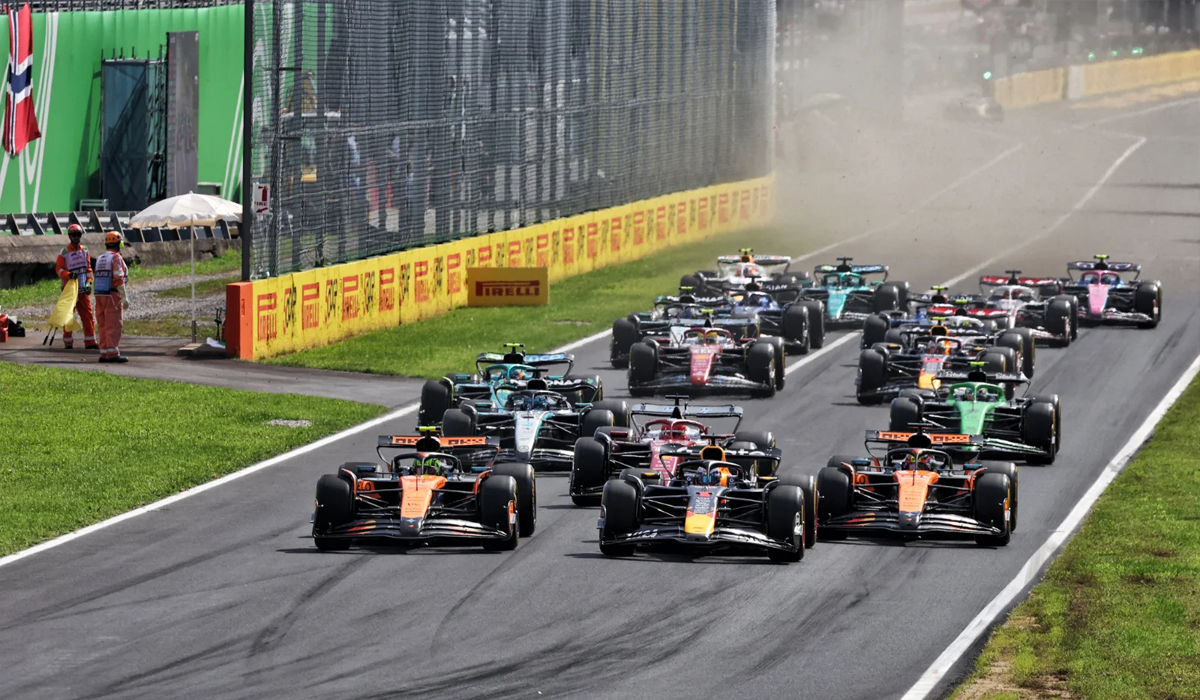
The world of motorsport has always been defined by speed, precision, and relentless innovation. From the early mechanical breakthroughs of the 20th century to the hybrid power units seen in modern championships, racing has consistently served as a laboratory for technological advancement. Today, however, the industry is experiencing a transformation unlike any before.
At the forefront of this evolution is Formula 1, widely recognized as the pinnacle of motorsport technology. Modern race cars are equipped with hundreds of sensors generating terabytes of data over a single race weekend. Every throttle input, tire temperature shift, and aerodynamic adjustment is measured and analyzed in real time.
Simulation and the Rise of the Digital Twin
One of the most transformative tools in motorsport engineering is the digital twin a virtual replica of a physical race car that behaves exactly like its real-world counterpart. Using high-fidelity simulations, engineers can test aerodynamic configurations, suspension geometries, and energy recovery systems long before a car touches the track.
Racing organizations such as FIA have also embraced digital validation processes to ensure safety and regulatory compliance. Crash simulations, computational fluid dynamics (CFD), and virtual wind tunnels have largely replaced traditional physical testing. This digital-first approach not only improves accuracy but also supports sustainability goals by minimizing material waste and energy consumption.
Read Also: Speed Rewired, How Digital Technology Is Transforming Modern Motorsport
Artificial Intelligence on the Pit Wall
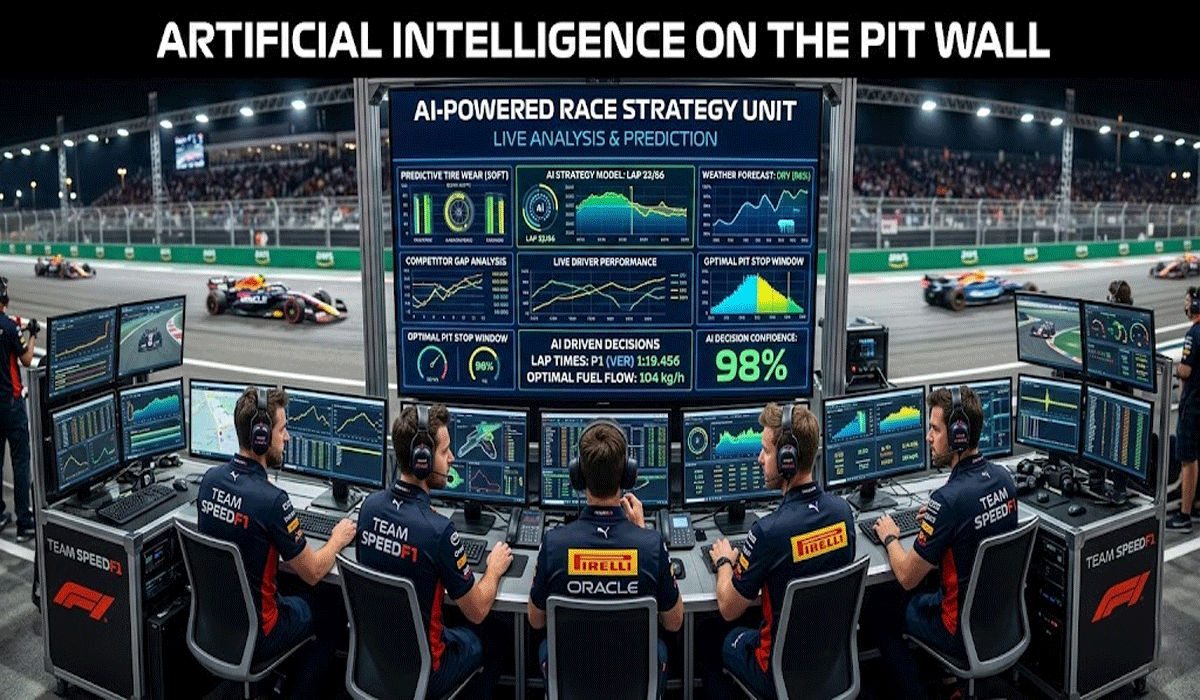
Artificial intelligence (AI) has emerged as a decisive competitive advantage in modern motorsport. Machine learning algorithms analyze historical race data, weather forecasts, and tire degradation patterns to recommend optimal pit strategies. During a race, AI systems can simulate thousands of possible scenarios in seconds, providing strategists with actionable insights under extreme time pressure. These tools enhance decision-making in ways that human intuition alone cannot match.
Teams competing in global endurance events like the 24 Hours of Le Mans rely heavily on predictive analytics to manage fuel efficiency and component durability over extended periods. AI also supports driver performance analysis, identifying micro-adjustments in braking and steering inputs that could shave tenths of a second off lap times.
Sustainability and the Road Ahead
The digital transformation of motorsport extends beyond performance optimization; it is also shaping a more sustainable future. Advanced energy management systems, hybrid technologies, and alternative fuels are being developed and refined through data-driven experimentation. Electric racing platforms such as Formula E demonstrate how digital monitoring and battery analytics can maximize efficiency while maintaining thrilling competition.
Looking ahead, hyperconnected race ecosystems will likely define the next decade of motorsport. Cloud computing, 5G connectivity, and real-time global collaboration will enable teams to operate seamlessly across continents. Augmented reality tools may assist engineers in visualizing data during live events, while autonomous testing platforms could further revolutionize development cycles.
For the latest and most interesting related information, you can also click the TEACHING link.
Image Source:
First Image from msluffy.com
Second Image from www.engineerlive.com