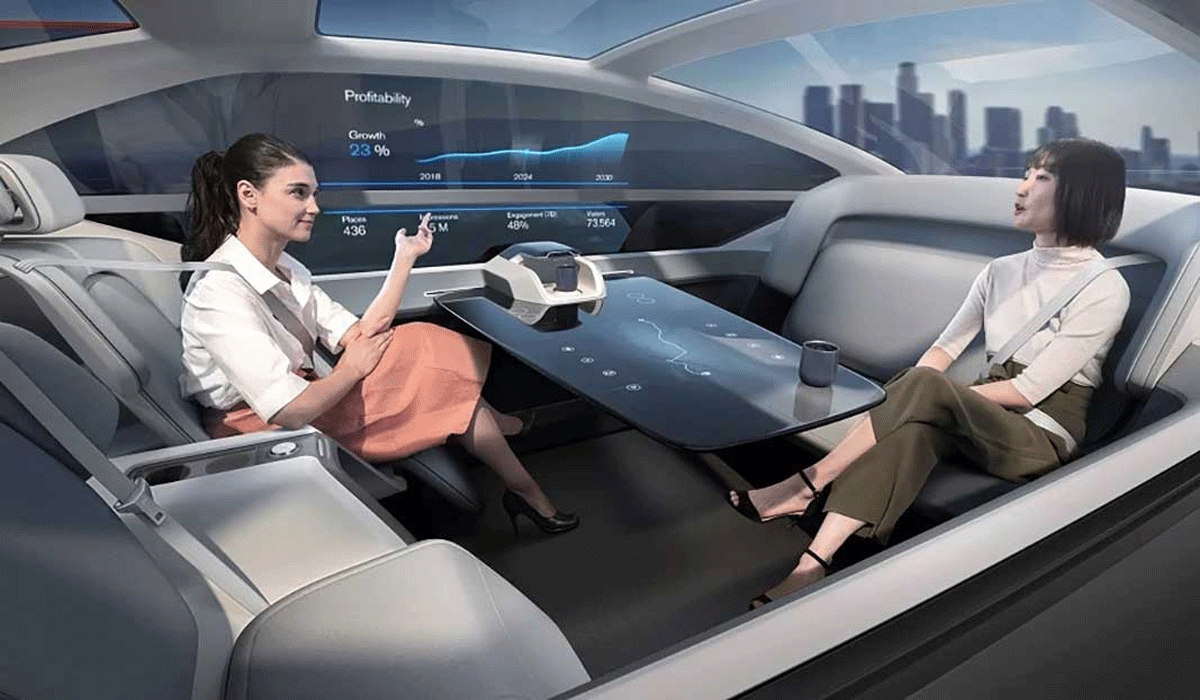
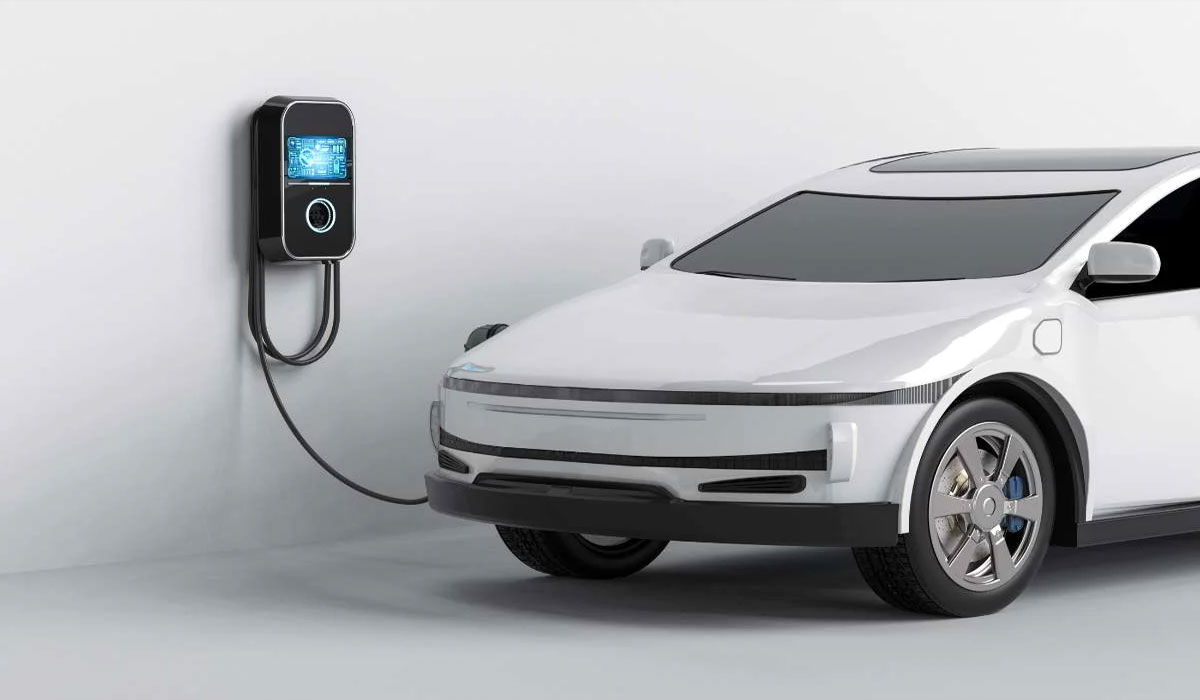
Development of electric vehicles in recent years has become a major focus in many countries, including Indonesia and beyond.
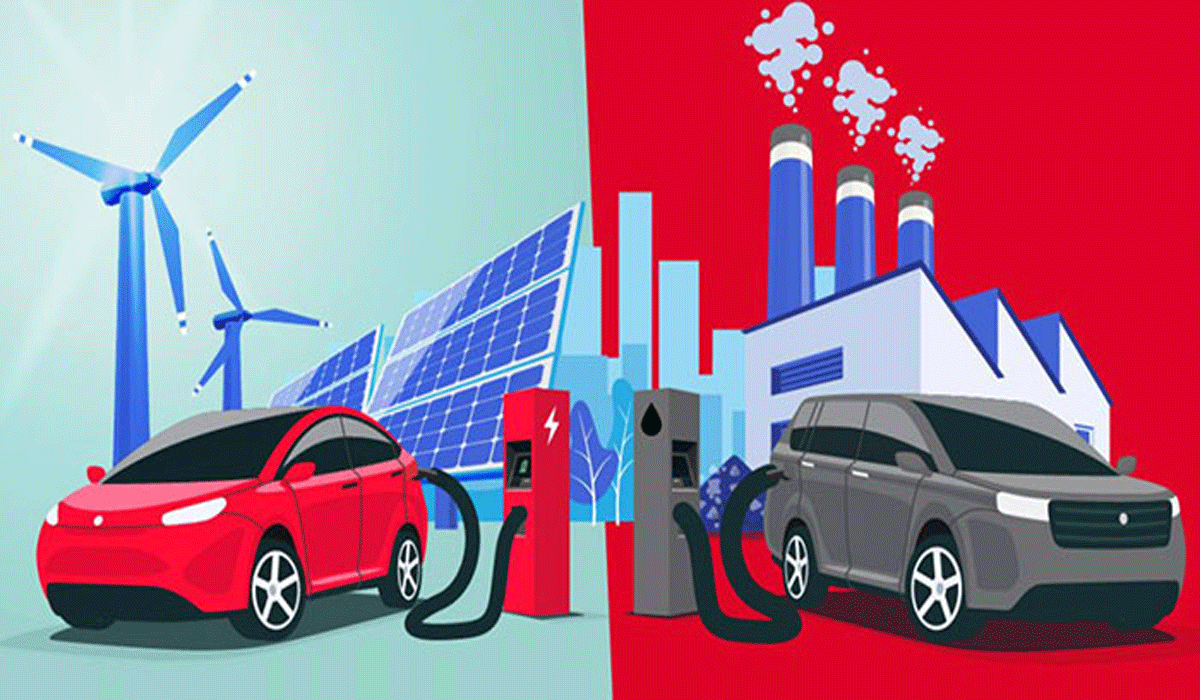
However, behind its growing popularity, electric vehicles also raise various environmental debates. From battery production processes to waste management, all aspects need to be examined to understand whether EVs are truly green or a transitional solution.
Emissions and the Environmental Impact of Electric Vehicle Production
The production of electric vehicles is often considered cleaner than that of conventional cars, yet the manufacturing of lithium-ion batteries still generates significant carbon emissions. Mining activities for raw materials such as lithium and nickel also place pressure on local ecosystems and water resources.
In addition, much of the energy used in manufacturing still comes from fossil fuel-based power plants in many countries. This means the carbon footprint of electric vehicles is not entirely zero, even though they produce no direct emissions during use on the road.
However, when evaluated over a full life cycle, electric vehicles still show a greater potential for emission reduction compared to traditional vehicles. Higher energy efficiency remains one of the key advantages in this ongoing debate.
Energy Sources and Electricity Dependence
Electric vehicles are highly dependent on the electricity used to charge their batteries. In countries that still rely on coal, the environmental benefits of electric. Vehicles may be reduced due to emissions generated at power plants.
The transition to renewable energy is essential to ensure that electric vehicles are truly environmentally friendly. Without changes in the power generation system, their ecological benefits will remain limited. Therefore, clean energy policies play a crucial role in the success of electric vehicle adoption.
Some developed countries have begun integrating renewable energy sources such as solar and wind power into their electricity grids. This step is expected to strengthen the environmental benefits of electric vehicle usage in the long term.
Read Also: Beyond the Wheel: The Evolution of Today’s Automotive World
Battery Production & Recycling Challenges
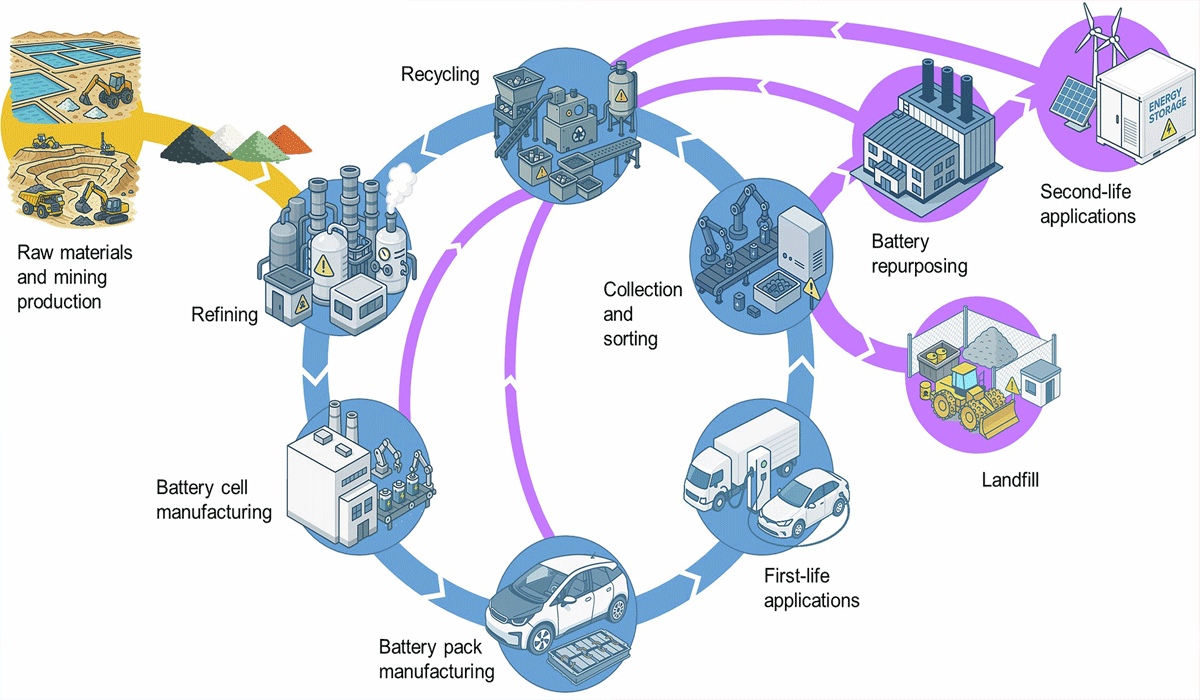
One of the main issues with electric vehicles is battery production, which requires mined materials such as nickel, cobalt, and lithium. These mining activities can cause environmental damage if not properly managed.
Beyond ecological impacts, the extraction process of battery materials also often leads to social conflicts in certain mining regions. This occurs due to resource competition and economic effects on local communities. Strict regulation is therefore essential.
Battery recycling is an important solution to reduce electronic waste from electric vehicles. Developing recycling technology is expected to minimize environmental. Impacts in the future, although recycling infrastructure still needs significant improvement in many countries.
Long-Term Environmental Benefits
In the long term, electric vehicles have the potential to significantly reduce urban air pollution. Lower emissions from transportation can improve air quality and public health, helping to reduce respiratory diseases among populations.
In addition to health benefits, electric vehicles also help reduce dependence on fossil fuels, which are becoming increasingly scarce. This provides opportunities for countries to accelerate the transition toward clean energy systems and improve energy security.
Advances in battery technology and vehicle efficiency continue to evolve rapidly. These developments open the path toward more affordable and environmentally friendly electric vehicles in the future, supported by strong collaboration between governments and industry.
Conclusion
In conclusion, electric vehicles have a complex impact on the environment. While they offer significant potential to reduce emissions and air pollution, they still face major challenges related to battery production and energy sources. Therefore, their success as a green solution depends heavily on the transition to renewable energy and sustainable waste management in the future.