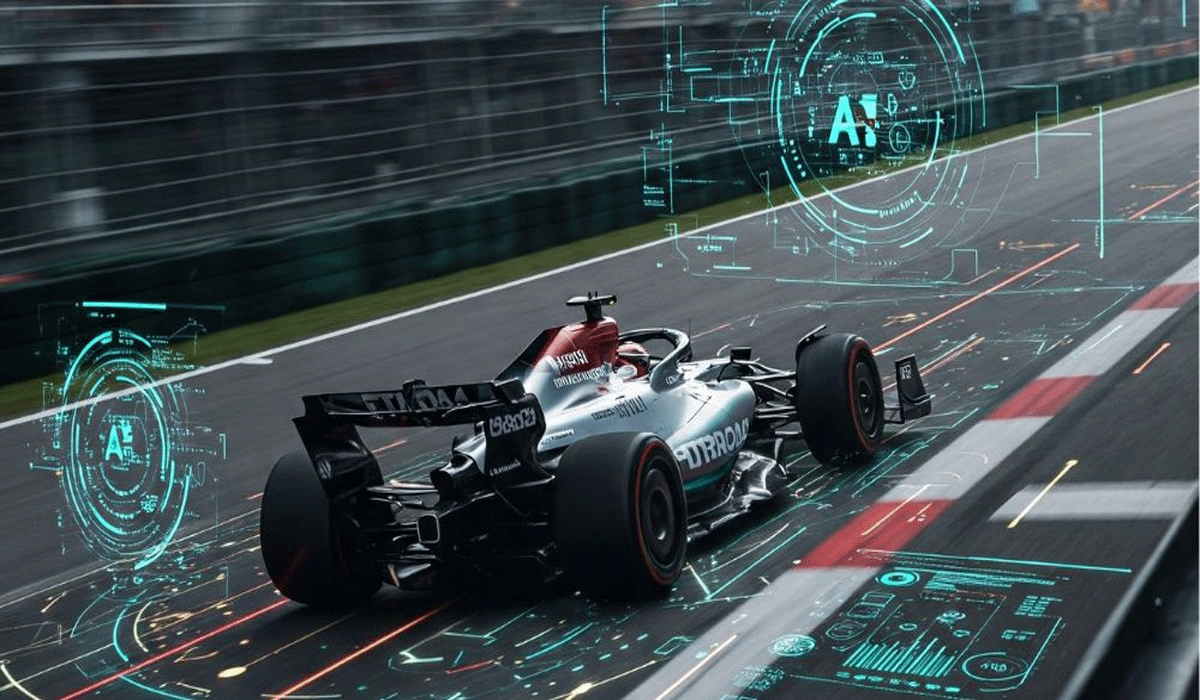
Motorcycle racing has always been a thrilling spectacle of speed, skill, and daringbut in today’s world, it’s no longer just about who can ride the fastest.
Technology has transformed the sport from mere asphalt racing to a high-tech arena where data, smart equipment, and digital innovation play as important a role as the rider’s talent. From the track to your screen, the world of motorcycle racing is evolving faster than ever, blending adrenaline with cutting-edge technology to create a truly modern experience. Below, Your Tech & Lifestyle Hub will provide a more comprehensive discussion.
The Digital Transformation of the Racetrack
Motorcycle racing is no longer just about raw speed and skill; technology has completely changed the game. Sensors and telemetry systems now allow riders and teams to track every detail, from engine performance to tire temperature, in real time. This data-driven approach gives racers a huge advantage, enabling precise adjustments that were once impossible to measure.
Teams can simulate race conditions before the actual event using advanced software. These virtual tools allow riders to practice on digital versions of tracks, improving strategy and reducing errors during the race. It’s like having countless practice laps without the wear and tear on the bike or the risk of injury.
Even the bikes themselves are becoming smarter. Electronic control systems help riders maintain stability during sharp turns, adjust fuel injection for maximum performance, and monitor tire grip on different surfaces. The combination of hardware and software makes modern motorcycle racing a true high-tech sport.
Advanced Safety Innovations
Technology isn’t just about speed; it’s also about safety. Airbag suits, crash detection sensors, and advanced helmets now protect riders better than ever. These innovations can detect a fall or impact in milliseconds and deploy protective systems that reduce injuries.
Smart helmets are another game-changer. Some models now include heads-up displays (HUD) that show speed, lap times, and even track maps directly in front of the rider’s eyes. This allows racers to focus on the track instead of looking down at instruments, keeping their attention where it matters most.
Furthermore, track-side safety has been improved using AI and predictive analytics. Sensors on the circuit monitor conditions and alert teams to hazards, such as slippery patches or sudden obstacles. This blend of safety and technology ensures that racers can push their limits while minimizing risks.
Read Also: Toyota GR Supra: The Iconic Sports Car with High Performance
Virtual Racing and eSports Influence
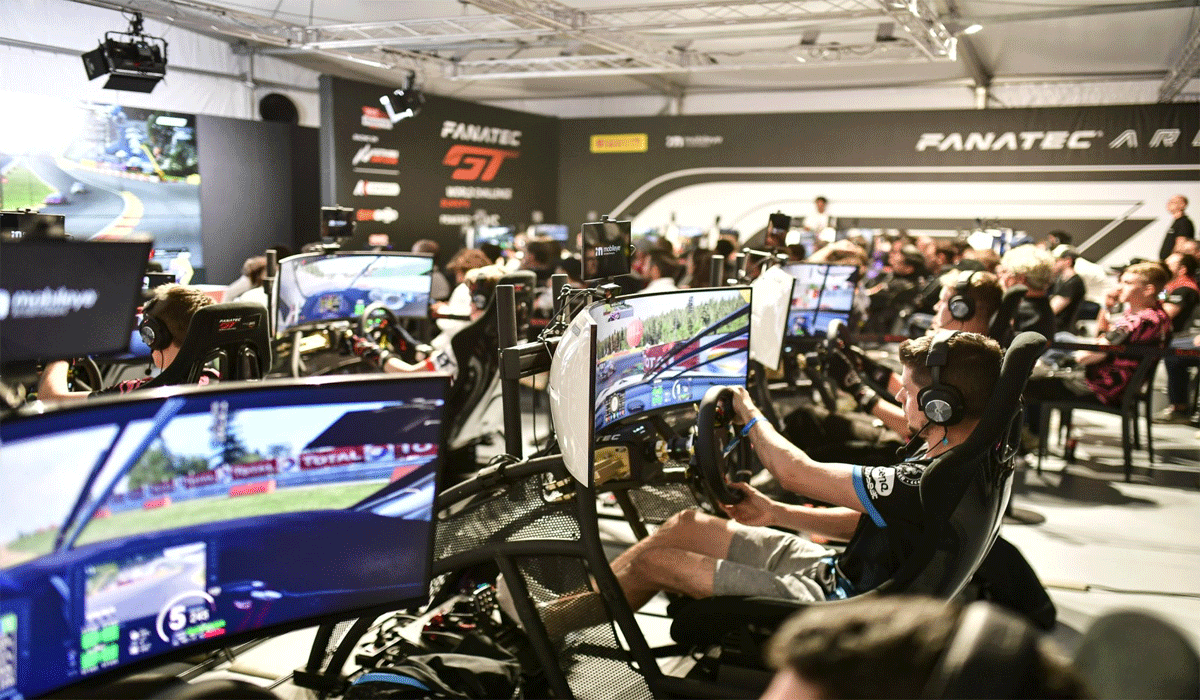
The rise of virtual racing and motorcycle eSports has brought technology from the track into homes worldwide. Sim racing platforms allow riders and fans to experience races digitally, sometimes even competing against real-life racers. These platforms are realistic down to the physics of each bike, making it a serious training tool.
Professional racers now use simulators for practice, analyzing every turn and braking point before hitting the real track. This preparation can shave seconds off lap times—a huge difference in a sport decided by milliseconds. Virtual racing also introduces fans to the complexities of the sport, creating a more engaged audience.
eSports competitions have also influenced bike design. Data collected from virtual races helps engineers experiment with new setups and strategies without costly trial and error on actual tracks. This crossover between digital and physical racing accelerates innovation in both worlds.
Smart Gear and Rider Technology
Riders today wear more than just leather suits, they wear technology. Connected gloves, smart boots, and sensor-packed suits monitor body movements, heart rate, and fatigue levels. Coaches can use this data to optimize training, preventing injuries and enhancing performance.
Motorcycle telemetry is integrated with wearable tech to provide instant feedback. If a rider’s posture affects speed or cornering, sensors can alert them in real time. This allows instant correction during practice or even live races, bridging the gap between physical skill and technological insight.
Smart communication systems have also revolutionized teamwork. Teams can relay instructions directly to the rider’s helmet, enabling split-second decisions about strategy, overtakes, and tire management. Modern motorcycle racing is no longer just a test of courage, it’s a synergy of mind, body, and machine.
Engaging Fans Through Technology
Technology has changed how fans experience motorcycle racing. High-definition cameras, onboard drones, and live telemetry feeds bring fans closer to the action than ever. Audiences can see speed, lean angles, and rider data in real time, creating an immersive experience.
Augmented reality (AR) and virtual reality (VR) platforms allow fans to virtually sit on the bike, feeling every turn and acceleration. Social media integration enables fans to interact with riders and teams instantly, making racing more personal and exciting.
Thank you for diving into the thrilling world of motorcycle racing in the digital age. Experience the speed, innovation, and cutting-edge technology that’s transforming every race, from the track to your screen. Discover smart gear, virtual racing, and fan engagement like never before at your Technology & Lifestyle Center, and explore the future of high-tech motorsports and connected experiences only at Your Tech & Lifestyle Hub.
Image Information Source:
First Image from: technologyfactors.com
Second Image from: www.gt-world-challenge-asia.com