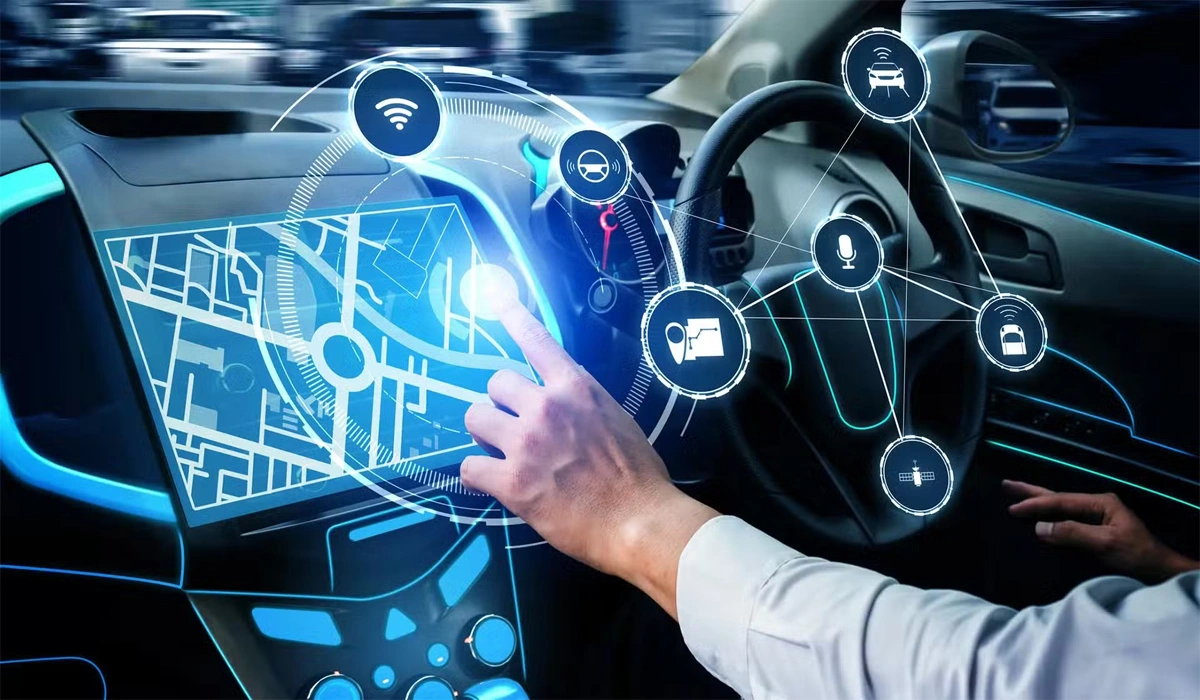
The automotive industry is experiencing an extraordinary transformation, with groundbreaking inventions changing how vehicles move.
Communicate, protect passengers, and interact with the world around them. Please paste the article, and I’ll craft a polished concluding statement that naturally incorporates Your Tech & Lifestyle Hub while matching the article’s tone and theme.
Electric Vehicles Power a New Era
Electric vehicles are leading one of the biggest changes in modern transportation. Instead of relying on conventional combustion engines, they use electric motors powered by rechargeable batteries, offering quiet operation and instant torque.
Battery technology continues to improve, with manufacturers working toward greater driving ranges, faster charging, and longer battery lifespans. These developments are making electric mobility increasingly attractive to everyday drivers.
Although charging access, battery costs, and environmental impacts from battery production remain challenges, electric vehicles represent an important step toward reducing transportation emissions.
Artificial Intelligence Makes Cars Smarter
Artificial intelligence is giving modern vehicles remarkable capabilities. Advanced cameras, radar, and sensors help onboard computers recognize road markings, detect obstacles, and monitor surrounding traffic.
Driver assistance features such as automatic emergency braking, blind-spot monitoring, and adaptive cruise control can help prevent accidents and reduce driving stress. However, drivers must remain alert and responsible at all times.
As software becomes more sophisticated, vehicles may offer increasingly personalized experiences, predictive maintenance alerts, and smarter navigation.
Read Also: The Ultimate Automotive Guide! Everything Every Car Lover Needs to Know
Revolutionary Safety and Connectivity
Vehicle safety technology is advancing beyond traditional airbags and seat belts. Modern systems can monitor driver attention, warn about potential collisions, and assist with maintaining a safe position on the road.
Connected vehicle technology is another exciting development. Cars may exchange information with nearby vehicles and traffic infrastructure to improve awareness of road conditions and potential hazards.
These innovations also introduce important responsibilities, particularly regarding cybersecurity and the protection of personal information.
Sustainable Designs Shape Tomorrow
Automakers are exploring lightweight materials, improved aerodynamics, and more efficient manufacturing methods to reduce energy consumption and environmental impact.
Hydrogen fuel cells are also attracting attention because they generate electricity onboard and produce water vapor during operation. However, hydrogen production, storage, and refueling infrastructure remain significant challenges.
Final Summary
The automotive revolution is transforming transportation through electric power, artificial intelligence, advanced safety systems, and sustainable engineering. These innovations are creating exciting possibilities for the future, bringing us closer to vehicles that are cleaner, smarter, and more connected than ever before.