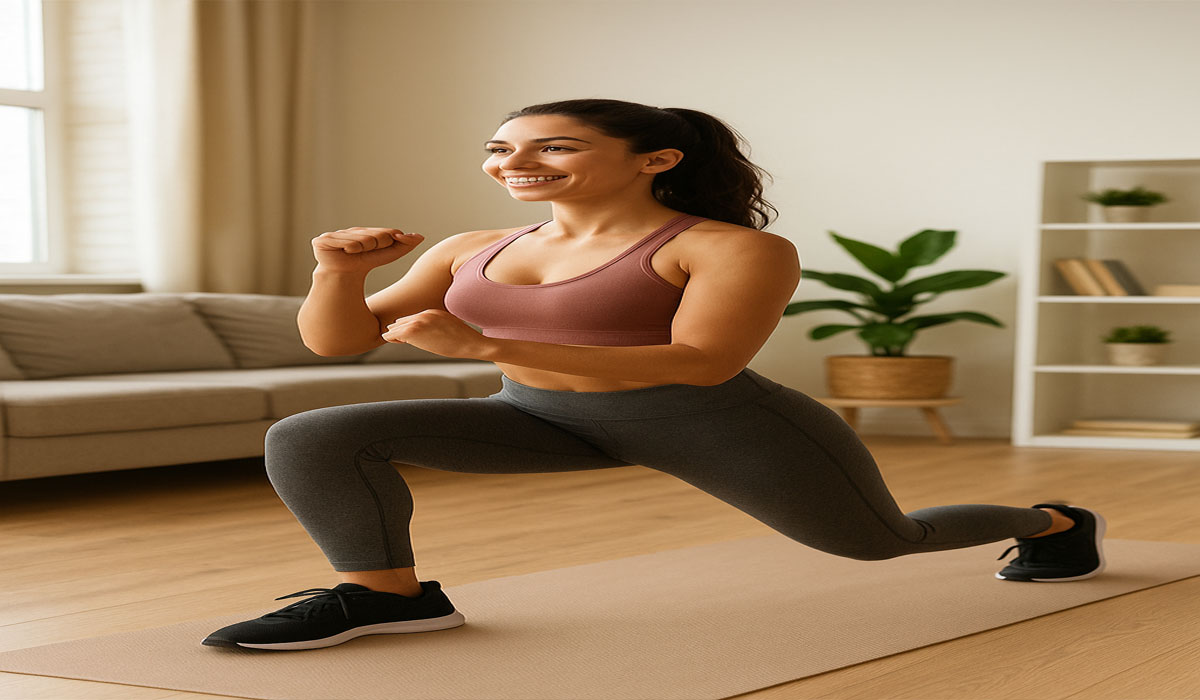
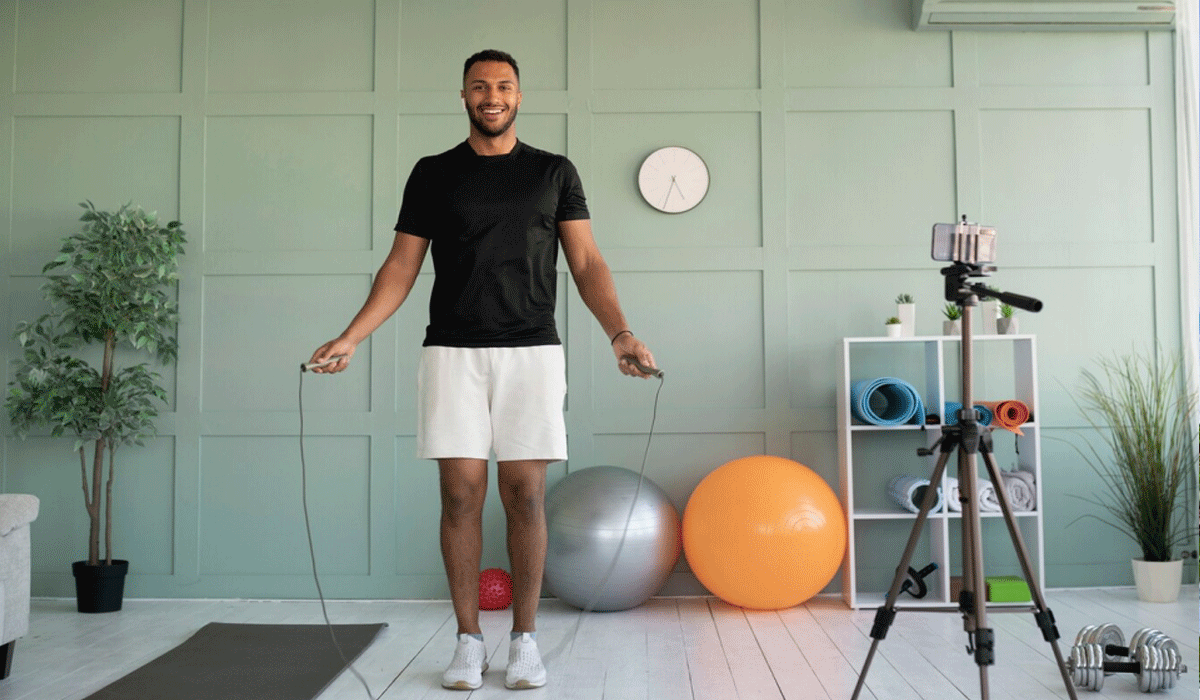
In today’s digital era, technology is not only for communication or entertainment but essential for a healthy lifestyle.

From activity tracking apps to wearable devices that monitor health, technological innovations allow us to better understand our bodies, organize exercise routines, and achieve fitness goals more effectively. Combining exercise with everyday technology not only enhances workout results but also makes the process more enjoyable and measurable, making a healthy lifestyle accessible to everyone.
Below, Your Tech & Lifestyle Hub will provide interesting information that you must know.
Transforming Workouts With Wearable Devices
Wearable devices, such as smartwatches and fitness trackers, have become indispensable companions in modern fitness journeys. By monitoring heart rate, step count, calories burned, and sleep quality, these devices provide accurate data to tailor exercise programs to individual needs. For instance, someone aiming to improve stamina can use heart rate data to determine the optimal workout intensity, ensuring exercises are neither too light nor too strenuous.
Beyond providing real time information, wearable devices also motivate users to stay active. Features like movement reminders, daily challenges, and gamified activity tracking encourage consistency in workouts. Some devices even connect to online communities, allowing users to share achievements, participate in virtual competitions, and receive social support. This combination of accurate data and social interaction makes wearables more than just gadgets they become essential tools for building long term healthy habits.
Fitness Apps: A Digital Personal Trainer In Your Pocket
Fitness apps today offer more than just exercise guides they serve as digital personal trainers that understand each user’s unique needs. Many apps provide tailored workout programs based on fitness level, goals, and exercise preferences. For example, a beginner aiming to lose weight can follow a gradual workout schedule with interactive video instructions, while advanced users can utilize performance analysis features to optimize their results.
In addition to physical workouts, fitness apps also support nutrition and recovery. Users can track food intake, receive healthy meal suggestions, and monitor daily hydration. Some apps even use AI technology to offer more personalized recommendations based on activity and health patterns. With this integration, fitness apps help not only improve exercise performance but also foster overall awareness of a healthy lifestyle.
Virtual Workouts: Interactive Exercise Without Limits
The concept of virtual workouts is gaining popularity due to the flexibility and unique experiences it offers. Using augmented reality (AR) or virtual reality (VR) technology, users can exercise in immersive virtual environments, such as running through scenic landscapes or joining aerobic classes with a digital instructor. This approach makes workouts more engaging and reduces the boredom that often accompanies traditional exercise routines.
Beyond entertainment, virtual workouts offer practical benefits. Users can train anytime and anywhere without needing to visit a gym or studio. Virtual platforms also allow real time performance monitoring, ensuring each movement and exercise is analyzed for improvement. This method maximizes workout results while fostering long term motivation to remain active.
Read Also: Ultimate Guide to Motorsport Gear and Safety
Smart Home Integration For Everyday Activity

Fitness technology is not limited to wearables and apps smart home integration helps maintain a healthy lifestyle more comprehensively. Smart exercise equipment, such as treadmills, stationary bikes, or weight machines connected to apps, can provide detailed performance reports and suggest automated workout programs. Even lighting and room temperature can be adjusted to create optimal exercise conditions.
Smart homes also support healthy habits outside workouts. For example, smart speakers can remind users to drink water or perform stretching exercises, while sleep monitoring devices help improve sleep quality, which is crucial for body recovery. This integration creates a complete fitness ecosystem where technology supports every aspect of a healthy lifestyle, not just exercise sessions.
Analytics And Data: Understanding Your Body In Depth
One of the greatest benefits of combining exercise with technology is access to detailed health data and analytics. Body sensors and fitness apps can monitor various indicators, from heart rate and blood pressure to heart rate variability and blood oxygen levels. This information allows users to adjust exercise intensity, recognize signs of fatigue, and prevent injuries.
Additionally, health analytics enable a more personalized approach. Data collected from multiple devices can generate progress reports, activity patterns, and training recommendations. This not only helps achieve fitness goals faster but also increases user awareness of their overall health. With a data driven approach, exercise and a healthy lifestyle become smarter and more targeted.
Conclusion
Integrating exercise with everyday technology offers a modern approach to a healthy lifestyle. From wearable devices and apps to virtual workouts, smart home integration, and data analytics, innovations in technology provide more precise guidance, higher motivation, and an enjoyable workout experience.
By using technology effectively, fitness is no longer just physical activity but an integral part of modern life. A smart lifestyle enables everyone to stay active, healthy, and aware of their body’s condition, making health and fitness more achievable and sustainable.
Image source
First Image: www.eigeradventure.com
Second Image: www.garmin.co.id