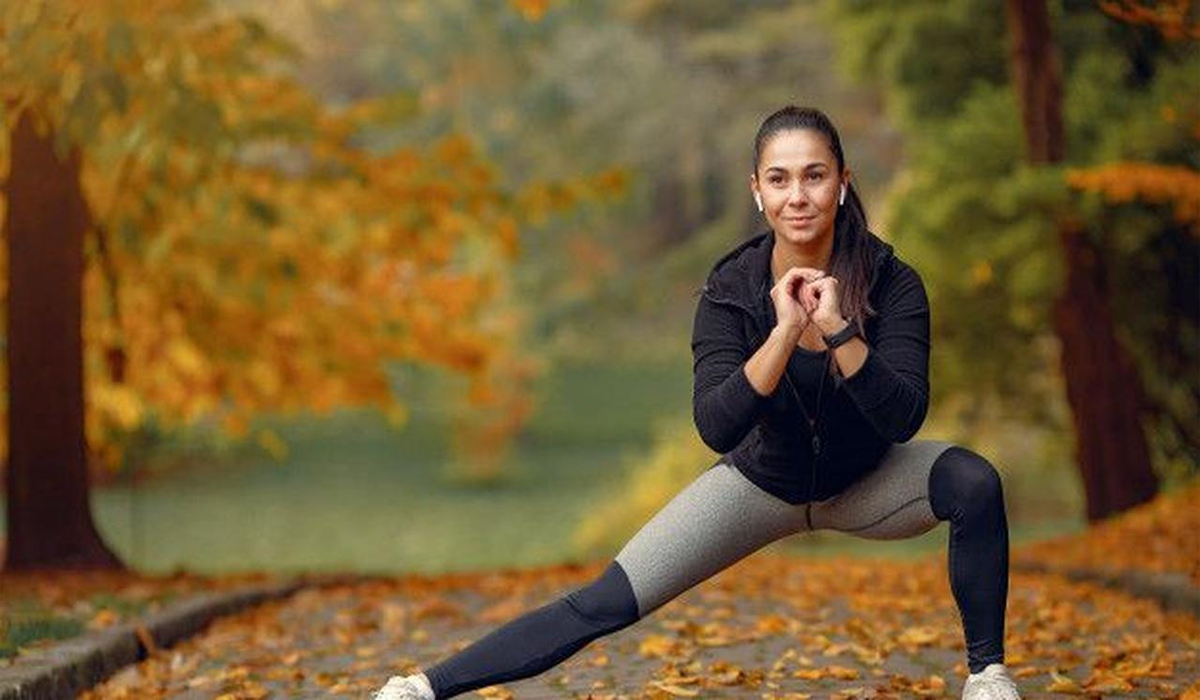
Protect your vision while staying active, Discover smart eye care tips for athletes to keep your eyesight sharp and performance at its best.
Eye health is often overlooked in sports, yet clear vision plays a crucial role in performance and safety. Whether you are a professional athlete or simply enjoy staying active, protecting your eyes should be a top priority. Fast movements, bright sunlight, dust, and unexpected impact can all put your eyesight at risk if proper precautions are not taken.
In this Your Tech & Lifestyle Hub, you’ll discover practical and smart ways to maintain sharp vision while participating in sports. From choosing the right protective gear to adopting healthy habits, these tips will help you stay focused, perform better, and safeguard one of your most valuable assets your sight
Why Eye Health Matters In Sports
Clear vision is a fundamental element in nearly every sport. Athletes rely on their eyes to judge distance, track moving objects, react quickly, and maintain balance. Even a minor vision problem can affect coordination and reduce overall performance on the field or court.
Many people focus heavily on strength and endurance but forget that eyesight is equally important. Good visual skills help athletes anticipate movements, avoid collisions, and make split-second decisions. Without proper eye care, the risk of injury can increase significantly.
Beyond performance, eye health also supports long-term well-being. Repeated exposure to sunlight, wind, or debris can gradually damage the eyes. By prioritizing vision care early, athletes can continue enjoying their favorite activities without compromising safety.
Common Eye Risks Athletes Should Know
Sports environments often expose players to hazards that may not seem obvious at first. Dust, sand, sweat, and bright lighting conditions can irritate the eyes and cause temporary discomfort. Over time, repeated irritation may lead to more serious issues.
Contact sports such as basketball, soccer, and martial arts carry a higher risk of accidental impact. A sudden elbow, ball strike, or fall can result in scratches, bruising, or even internal eye injuries. These incidents highlight the importance of preventive measures.
Outdoor athletes face additional challenges, especially from ultraviolet (UV) rays. Prolonged sun exposure can contribute to conditions like photokeratitis or increase the risk of cataracts later in life. Understanding these threats is the first step toward protecting your vision.
Also Read: Automotive & Vehicles: Innovation, Performance, and the Future of Mobility
Choosing The Right Protective Eyewear
One of the simplest ways to protect your eyes is by wearing appropriate sports eyewear. Protective goggles made from polycarbonate lenses are highly recommended because they are lightweight, impact-resistant, and provide excellent clarity.
Athletes who normally wear prescription glasses should consider switching to sports-specific frames. Regular glasses can shatter upon impact, while sports goggles are designed to stay secure during intense movement. Comfort and fit are key factors when selecting eyewear.
For outdoor activities, sunglasses with UV protection are essential. Look for lenses that block 100% of UVA and UVB rays to reduce glare and prevent long-term damage. Polarized lenses can further enhance visibility, especially in bright conditions like beaches or snowy fields.
Nutrition For Strong And Healthy Vision
What you eat plays a significant role in maintaining eye health. Nutrients such as vitamin A, vitamin C, omega-3 fatty acids, and lutein help support retinal function and reduce the risk of eye strain. A balanced diet can strengthen vision from the inside out.
Leafy greens, carrots, citrus fruits, eggs, and fish are excellent choices for promoting healthy eyesight. These foods contain antioxidants that help combat oxidative stress caused by intense physical activity and environmental exposure.
Staying hydrated is equally important. Dehydration may lead to dry, irritated eyes, which can interfere with focus during sports. Drinking enough water before, during, and after exercise helps maintain natural tear production and keeps your eyes comfortable.
Smart Habits To Keep Your Vision Sharp
Regular eye examinations should be part of every athlete’s health routine. Even if your vision seems fine, check-ups can detect early signs of problems before they worsen. Early treatment often prevents long-term complications.
Avoid rubbing your eyes, especially with sweaty hands, as this can transfer bacteria and cause infections. Instead, use a clean towel to gently wipe away sweat. If debris enters your eye, rinse it with clean water rather than attempting to remove it forcefully.
Finally, give your eyes adequate rest. Just like muscles, your eyes need recovery time after intense use. Quality sleep and occasional breaks from screens can reduce strain and improve visual performance, helping you stay at the top of your game.
Building Long-Term Eye Safety In Active Lifestyles
Protecting your eyesight should not be viewed as a short-term effort but as a lifelong commitment. Developing protective habits early ensures that your vision remains strong as you continue participating in sports over the years. Prevention is always more effective than treatment.
Coaches, trainers, and parents also play a role in promoting eye safety. Encouraging athletes to use proper gear and follow safe practices creates a culture where health is prioritized alongside achievement. Awareness can significantly reduce preventable injuries.
Ultimately, healthy vision supports both performance and confidence. When you can see clearly, react quickly, and move safely, you unlock your full athletic potential. By taking proactive steps today, you protect not only your eyes but also your future in sports and fitness.
Image Source:
- First Image from halodoc.com
- Second Image from klikdokter.com