Learn the impact of Advanced Technology in modern automation that is transforming human jobs and discover new opportunities today.
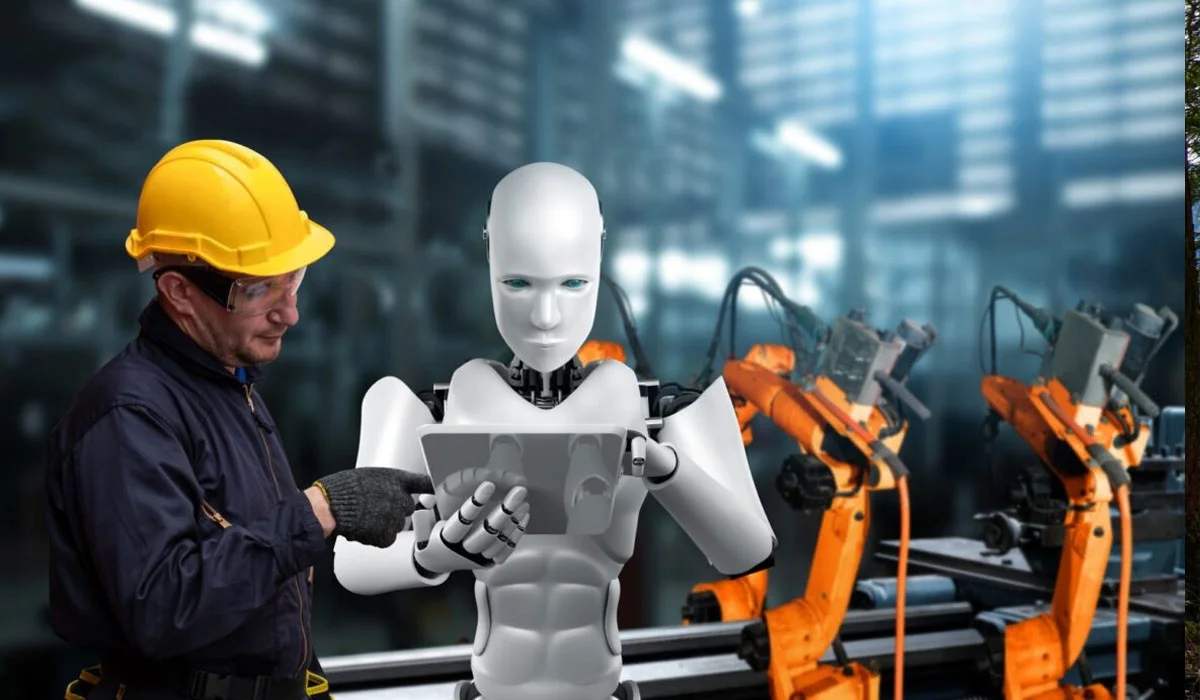
Advanced technology is a modern innovation that utilizes automation and artificial intelligence to increase the efficiency of various human activities in the digital era. Below, Your Tech & Lifestyle Hub will discuss various fields that are starting to experience major changes due to the development of modern technology.
The Increasing Dominance of Industrial Automation
Advances in advanced technology have pushed industrial automation to previously unimaginable levels. Many factories now use smart robots to assemble products with high speed and accuracy. Processes that once required dozens of workers can now be completed by several integrated machines.
In addition to increasing productivity, automation also helps reduce production errors and operational costs. Examples include the automotive and electronics industries, which rely on robotic arms for assembly processes. However, this shift requires the workforce to upgrade their skills to remain relevant in the era of modern, digital, and connected manufacturing.
Digital Customer Service Transformation
Modern companies increasingly rely on advanced technology to provide fast and responsive customer service. Artificial intelligence-based chatbots are now able to answer frequently asked questions 24/7. This helps businesses save operational costs while increasing customer satisfaction.
In the banking and e-commerce sectors, virtual assistants can even process simple transactions automatically. However, a human touch is still needed to handle complex cases that require empathy and in-depth assessment. The combination of automated services and human support is the most effective strategy for maintaining a consistent quality user experience.
Aslo Read: Fitness And Smart Lifestyle: Combining Exercise with Everyday Technology
The Development of Autonomous Vehicles
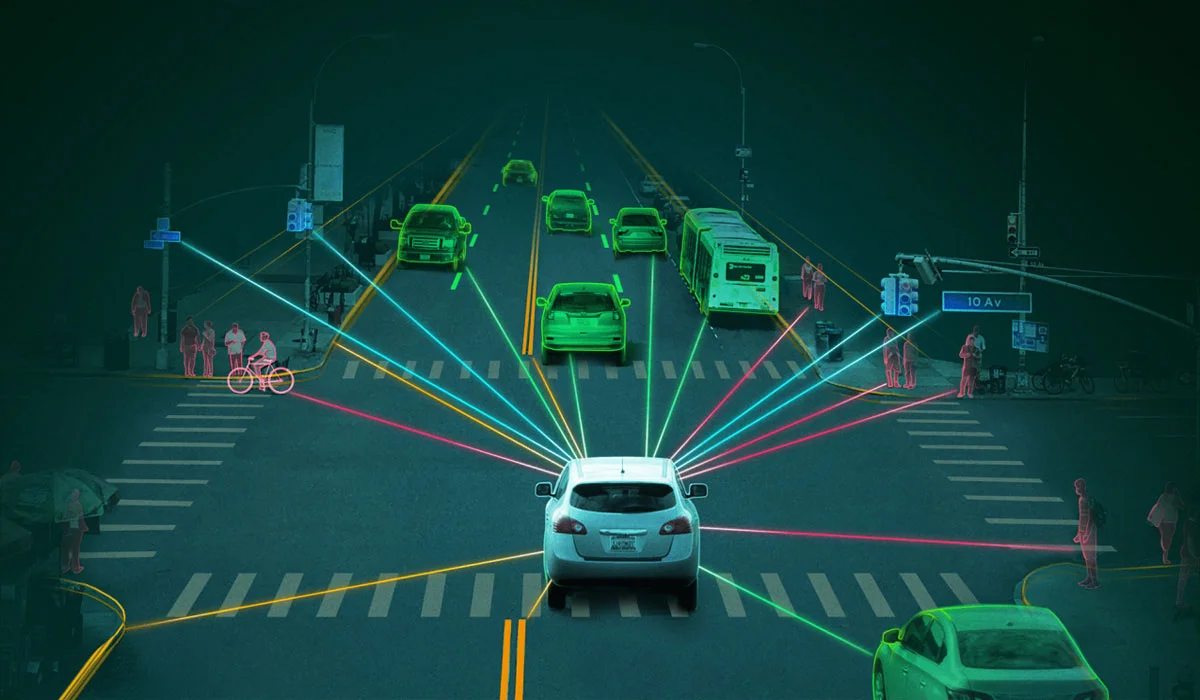
Transportation innovation is advancing rapidly thanks to advanced technology that enables vehicles to operate without human drivers. Autonomous cars use sensors, cameras, and intelligent navigation systems to read road conditions in real time. This technology has the potential to reduce accidents caused by human error and increase travel efficiency.
Several global automotive companies have conducted trials in major cities with promising results. Although still facing regulatory and safety challenges, driverless vehicles are predicted to become a vital part of a future transportation system that is safer, more integrated, and more environmentally friendly.
Revolution in Healthcare
The medical sector has also felt the significant impact of advanced technology, enabling more precise diagnosis and treatment. Doctors are now assisted by artificial intelligence systems capable of analyzing medical images in a short time. Surgical robots also enable surgical procedures to be performed with high accuracy and minimal risk.
Furthermore, wearable devices help monitor patient conditions in real time remotely. These changes not only improve the quality of healthcare but also expand access for people in remote areas. The integration of technology and medical expertise is key to transforming modern healthcare.
Adapting to the World of Work in the Digital Era
Changes in work patterns are inevitable with the adoption of advanced technology across various business sectors. Many administrative tasks can now be performed by automated software, requiring companies to require employees to possess higher analytical and creative skills. Remote work models are also gaining popularity, supported by digital collaboration platforms.
This opens up new opportunities and challenges for the workforce to continuously learn and adapt. Individuals who are able to utilize technology strategically will have a competitive advantage. The future of work is not simply being replaced by machines, but rather transforming towards a collaboration between humans and technology.
Image Information Source:
First Image from: nextr.in
Second Image from: www.linkedin.com