Learn the impact of digital technology on modern social relationships and discover wise ways to maximize healthy human interactions.
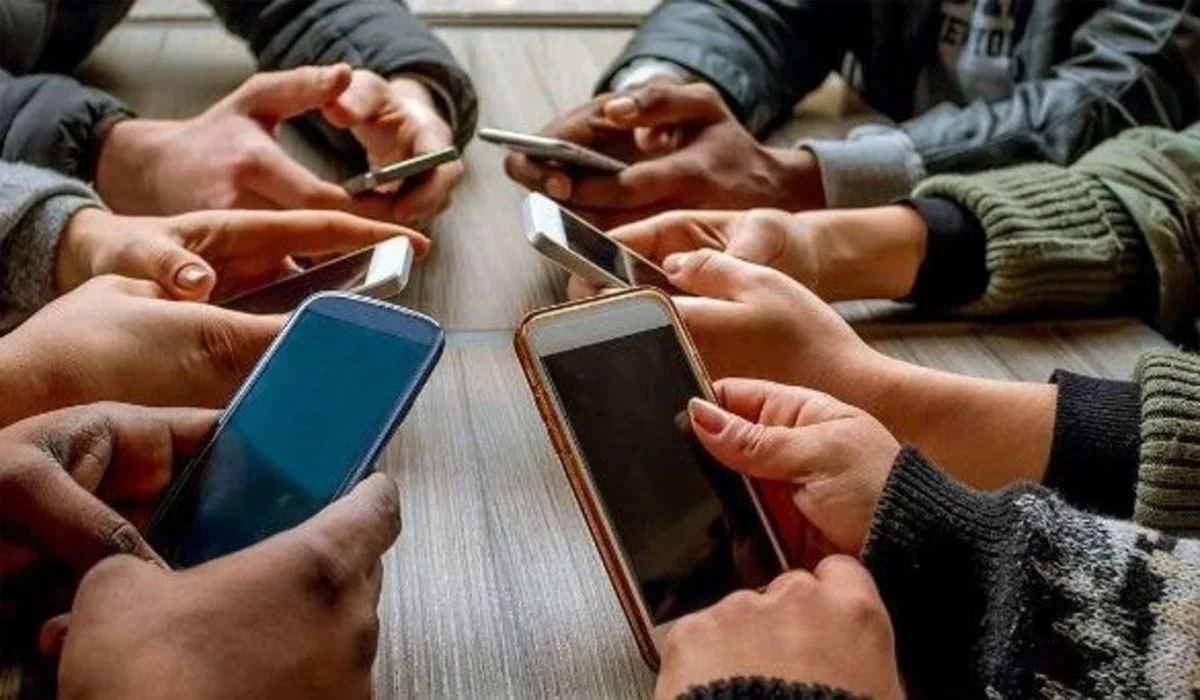
The impact of technology is a significant change in communication patterns, social relationships, and the way humans interact in modern everyday life. Below Your Tech & Lifestyle Hub will discuss various aspects of social change that have emerged as a result of technological developments in the digital era.
Communication Patterns in the Digital Technology Era
The development of digital technology has drastically changed the way people communicate. Previously, interactions occurred face-to-face or through letters and landline telephones. Now, conversations occur instantly through text messages, social media, and video calls. The speed of communication has increased, but the depth of relationships has often decreased.
For example, many people are more comfortable conveying emotions through emojis than in person. This convenience helps maintain long-distance relationships, but it can also lead to miscommunication due to the lack of nonverbal expression. Therefore, it is important to understand that technology is only a tool, while the quality of interactions still depends on the user’s awareness and empathy in maintaining social relationships.
Social Media and Modern Social Relationships
In modern social relationships, social media has become a primary space for interaction and building self-image. Digital platforms allow one to connect with hundreds or even thousands of people simultaneously. However, virtual closeness does not always reflect emotional closeness. Many individuals feel lonely despite being active online.
This phenomenon demonstrates that modern social relationships require a balance between the virtual and real worlds. For example, someone may stay up-to-date with friends through posts, but rarely meet them in person. If used wisely, social media can expand professional networks and strengthen relationships. Conversely, excessive use can potentially reduce the quality of interpersonal communication.
Also Read: Full Throttle Thrills: Inside the World of Motorsport and High-Speed Racing
The Transformation of Social Interaction in Daily Life

The transformation of social interaction is evident in people’s daily habits. Activities such as shopping, studying, and even working are now largely conducted online. As a result, physical interaction has decreased and been replaced by screen-based communication. This transformation of social interaction brings efficiency and flexibility, especially in remote work systems.
However, the lack of face-to-face meetings can impact the ability to read body language and build empathy. A clear example is seen in the younger generation, who are more accustomed to texting than speaking face-to-face. Therefore, adaptation is necessary so that people can maintain a balance between technological convenience and natural social needs.
Ethical Challenges in the Use of Digital Technology
As the influence of digital technology increases, ethical challenges in interactions also arise. The rapid spread of information often lacks adequate verification. This can trigger social conflict, data misuse, and even online bullying. Ethical challenges require users to be more responsible in sharing content and protecting the privacy of others.
For example, sharing photos or opinions without permission can damage personal and professional relationships. Digital literacy is key to enabling people to use technology wisely. With ethical awareness, technology can be a means of strengthening relationships, not destroying them.
Social Relationship Quality Strategy in the Digital Era
To maintain healthy modern social relationships, a balanced strategy is needed in utilizing technology. One effective way is to limit screen time and make room for direct interaction. Strategies for improving the quality of modern social relationships also include more personal communication, such as voice calls or face-to-face meetings.
Furthermore, it’s important to use digital media as a complement, not a substitute, for real-life relationships. For example, scheduling a meeting after interacting online can strengthen emotional closeness. With the right approach, technology can be a bridge that strengthens social relationships sustainably.
Image Information Source:
First Image from: elink.io
Second Image from: www.sociallifeproject.org