Water management and desalination technology are important solutions to address the worsening water crisis.

The water crisis is becoming an increasingly pressing global issue. As the world’s population continues to grow, the need for clean water is also increasing. Below Your Tech & Lifestyle Hub will discuss several technological innovations that can address the worsening global water crisis.
Seawater Desalination Technology
Desalination is a technology that converts seawater into freshwater. This process is increasingly being developed to address clean water shortages in many coastal areas. Technologies such as desalination offer significant solutions to address the global water crisis, especially in countries surrounded by oceans.
Using reverse osmosis or multi-stage distillation, seawater can be processed into potable water. Although the initial costs are quite high, desalination technology is increasingly efficient. This technology is a mainstay for countries with limited water resources but rich in marine resources. This innovation is expected to create more equitable access to clean water in the future.
Wastewater Treatment into Clean Water
Processing wastewater into clean water is one long-term solution to address the water crisis. This technology allows polluted water to be reused through advanced filtration and treatment processes. Various methods such as membrane filtration and ultraviolet technology are now widely implemented in many countries.
With technology to address the global water crisis, water that was previously wasted can be reused for domestic or industrial needs. This will certainly reduce dependence on increasingly limited natural water resources. Wastewater treatment projects can extend the lifespan of water resources while reducing environmental pollution.
Smart Water Management Systems
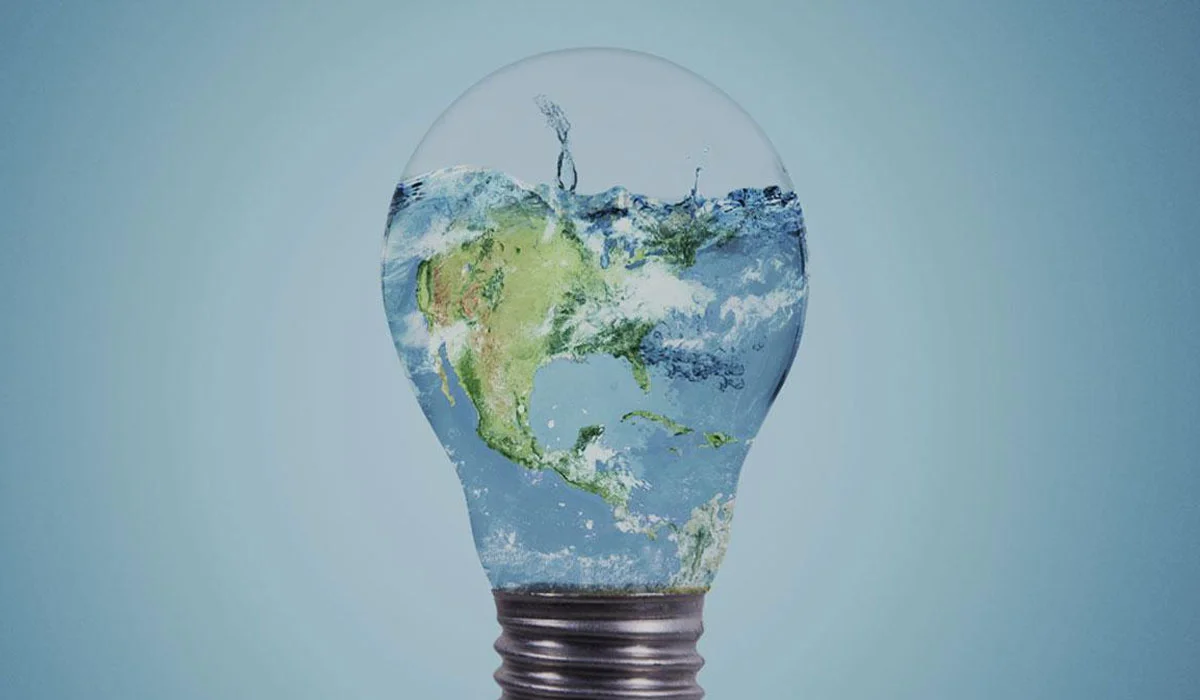
Smart water management systems use sensor technology and big data to monitor and manage water distribution more efficiently. These systems can detect leaks and optimize water use based on real-time needs. This technology is crucial in addressing the increasingly serious global water crisis, especially in large cities.
With the data collected, these systems can help design more appropriate and efficient water management policies. The use of smart technology is expected to reduce water waste and improve the quality of water distribution to various sectors of life. The implementation of smart water management systems has been proven to significantly reduce water consumption.
Rainwater Storage
Collecting and storing rainwater is a natural way to address the water crisis, now supported by modern technology. These rainwater collection systems use roofs, gutters, and filters to produce clean water. In many areas with high rainfall, this technology is very helpful in storing water for the dry season.
Technology to address the global water crisis also utilizes advanced storage technologies, such as tanks made of durable, easy-to-clean materials. These systems can provide water reserves for communities, especially in drought-prone areas. The benefits not only reduce dependence on primary water sources but also enhance long-term solutions to the water crisis.
Portable Water Filtration Technology
In areas around the world facing clean water shortages, portable water filtration technology is becoming an increasingly popular solution. These portable water filters are particularly useful for communities living in areas with limited water resources.
Portable water filtration technology typically uses carbon or membrane filters to remove impurities and bacteria from contaminated water. This technology, in addressing the global water crisis, can help provide safe, clean water without requiring access to large water treatment plants. Portable water filters also provide a quick and convenient solution for refugees or disaster areas who need clean water.
Image Information Source:
First Image from: us.ionexchangeglobal.com
Second Image from: saft.com