Motorsport has entered a new era where speed is no longer determined solely by engine power, but by the intelligence behind that engine.
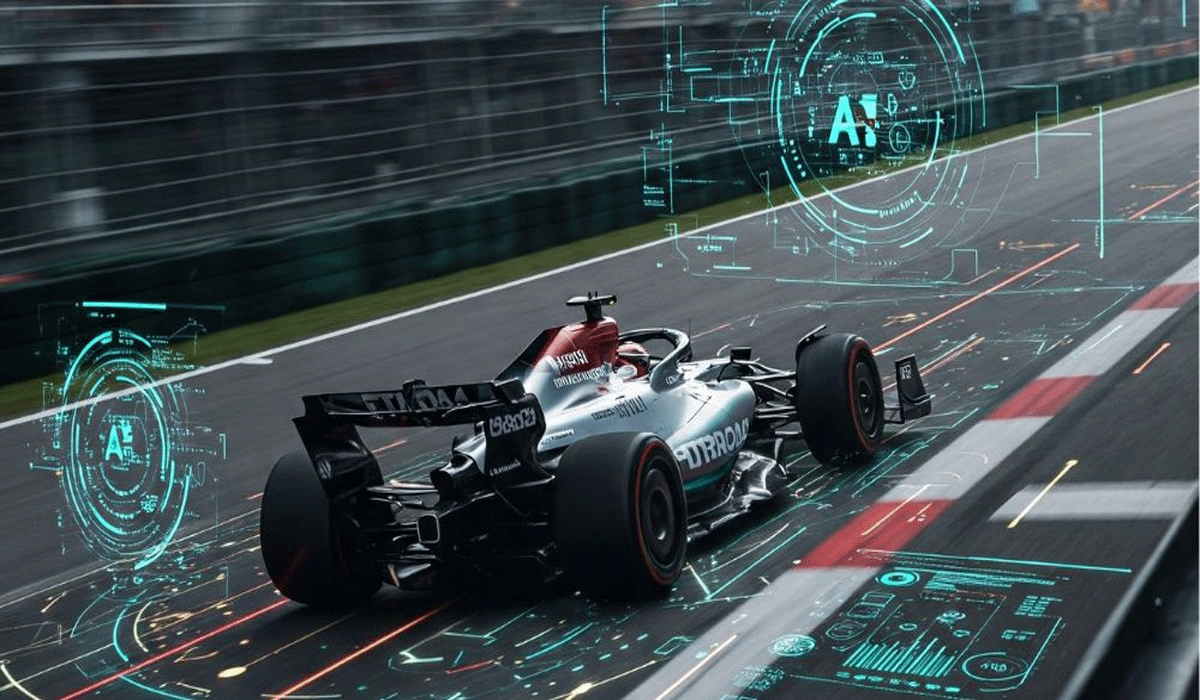
From real-time data analysis to advanced simulation systems, digital innovation now shapes every aspect of racing. What once relied solely on instinct and mechanical prowess has evolved into a high-tech battle driven by precision, strategy, and constant connectivity. Below, Your Tech & Lifestyle Hub we’ll provide a more complete explanation.
The Digital Evolution of Racing
Motorsport has always been about speed, skill, and precision. In the past, winning a race depended mostly on driver talent and engine power. Today, technology plays an equally important role. Digital tools, advanced software, and real-time data systems have completely changed how racing teams prepare and compete. The sport is no longer driven by instinct alone—it is powered by information.
Modern race cars are equipped with hundreds of sensors. These sensors collect data about tire pressure, fuel usage, engine temperature, aerodynamics, and even driver behavior. Engineers analyze this information in real time to make quick decisions during a race. A small adjustment based on data can be the difference between finishing first or losing valuable seconds on the track.
This digital transformation has made motorsport more precise and strategic than ever before. Teams invest heavily in research and development to gain even the smallest competitive advantage. In today’s racing world, technology is just as important as horsepower.
Data: The New Fuel for Performance
In the digital era, data is one of the most valuable assets in motorsport. Every lap generates thousands of data points that engineers study carefully. By understanding patterns in performance, teams can improve speed, safety, and efficiency. Data analysis helps predict tire wear, optimize fuel strategy, and plan pit stops at the perfect time.
Artificial intelligence is now being used to simulate race scenarios. Teams can test different strategies virtually before the race even begins. This reduces risks and improves decision-making under pressure. Instead of guessing, teams rely on data-driven insights to guide their moves.
Drivers also benefit from data analysis. After each session, they review performance metrics with engineers. They can see where they braked too late, accelerated too slowly, or lost time in corners. This feedback helps drivers continuously improve their technique and consistency.
Read Also: Future Automotive & Vehicle Trends You Need to Know
Advanced Engineering and Smart Cars
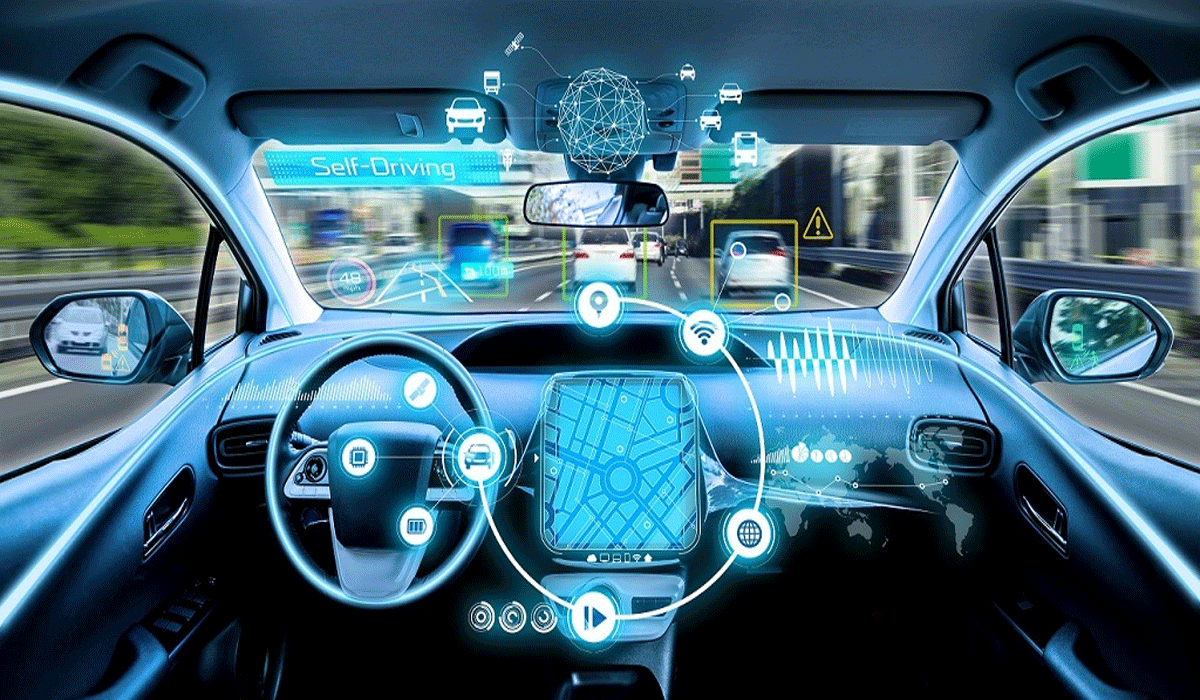
Modern race cars are technological masterpieces. Lightweight materials like carbon fiber improve speed while maintaining safety. Aerodynamic designs are tested in wind tunnels and digital simulations to reduce drag and increase downforce. Even small design changes can significantly impact lap times.
Hybrid power units and electric technologies are also becoming more common in motorsport. Many racing series now use energy recovery systems that capture energy during braking and reuse it for acceleration. This innovation not only boosts performance but also supports sustainability efforts.
Smart systems inside the car monitor performance constantly. Engineers can communicate directly with drivers through advanced radio systems, offering strategic advice during the race. The connection between human skill and machine intelligence has never been stronger.
The Rise of Esports and Sim Racing
The digital revolution has expanded motorsport beyond physical tracks. Esports and sim racing have grown rapidly in popularity. Professional drivers and gamers now compete in virtual racing events that attract millions of viewers worldwide. These competitions use highly realistic simulation software that mirrors real-world racing conditions. Simulators are also important training tools for professional drivers.
They allow drivers to practice new circuits and test car setups without the cost of physical testing. This saves time and resources while improving preparation. Esports has created new opportunities for young talent. Many drivers have moved from virtual racing to real-world competitions. This proves that digital motorsport is not just entertainment—it is a legitimate pathway into professional racing.
The Future of Motorsport in a Digital World
The future of motorsport will continue to be shaped by innovation. Technologies like artificial intelligence, machine learning, and advanced analytics will make racing even more competitive and exciting. Autonomous systems may also influence safety improvements in the sport. Sustainability will become a bigger focus. Electric racing series are already gaining global attention, showing that speed and environmental responsibility can go together.
Technology will help reduce carbon emissions while maintaining high performance standards. In the end, motorsport remains a thrilling battle of speed and strategy. However, in the digital era, success depends not only on bravery and power but also on smart technology. The revolution has already begun, and the race toward the future is faster than ever. Discover more about how technology is shaping the future of Motorsport and stay ahead in the fast lane.
Image Information Source:
First Image from: fluidjobs.com
Second Image from: www.e-spincorp.com