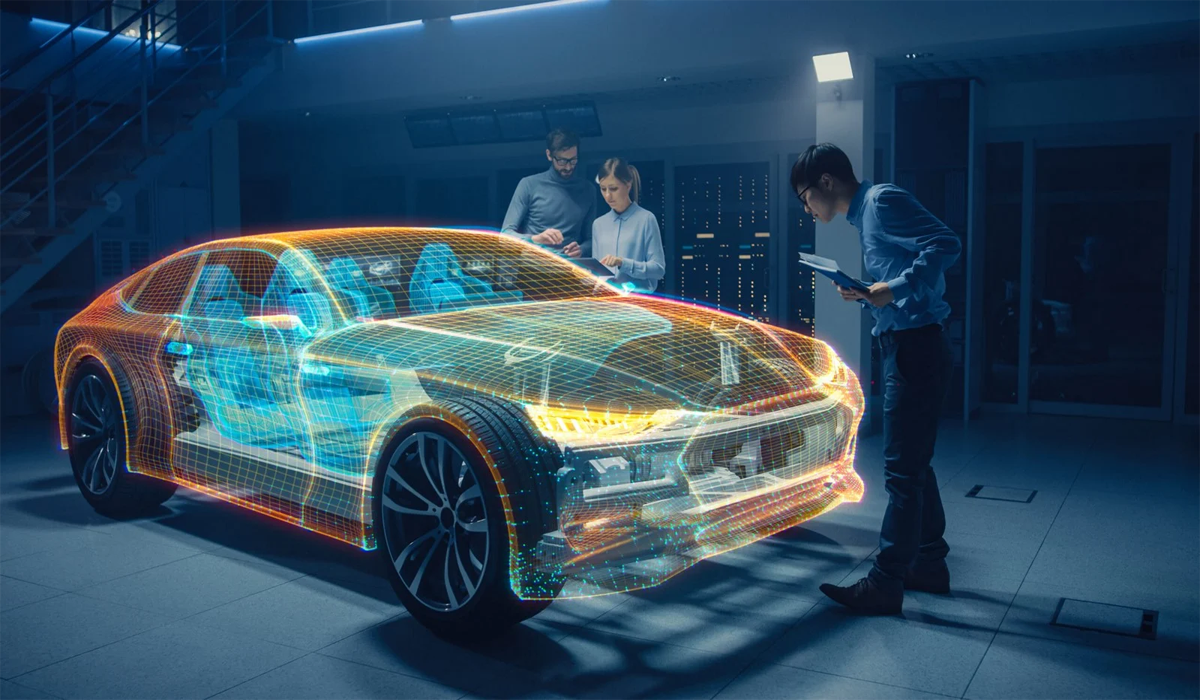
Discover innovative designs, autonomous technology, and sustainable materials shaping the next generation of mobility.
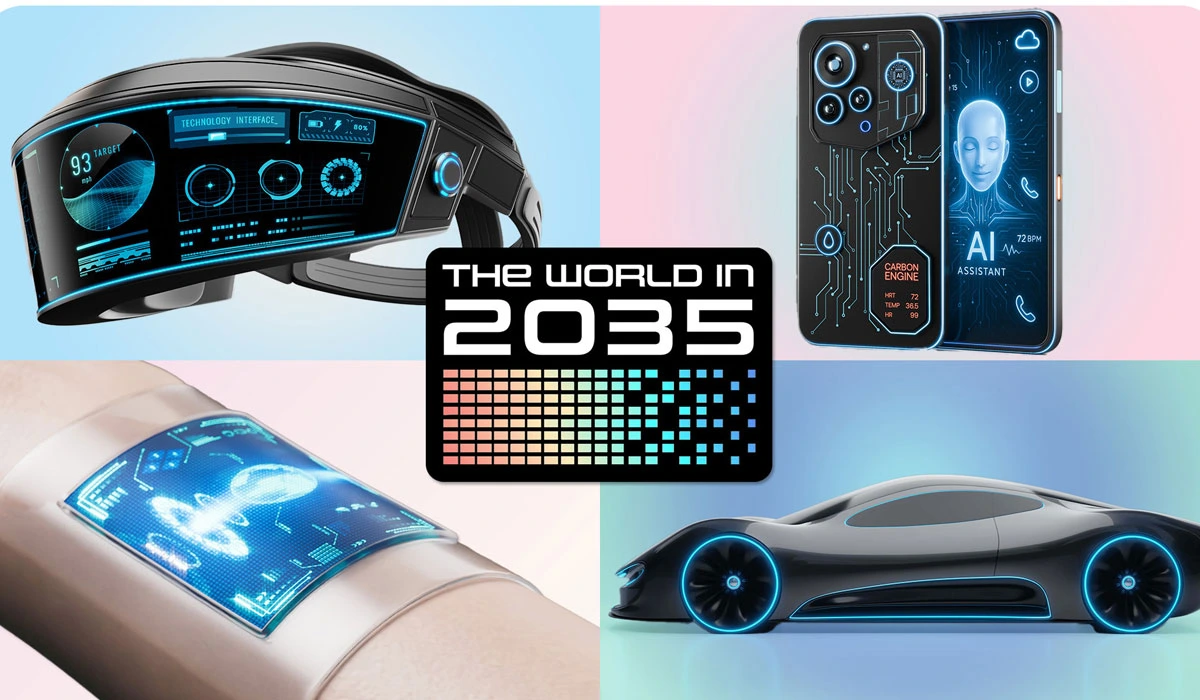
The automotive world is undergoing a massive transformation. Concept cars, once purely experimental showcases, are now windows into the future of transportation. From electric drivetrains to flying vehicles, these futuristic machines reveal the trends, technologies, and designs that could soon redefine how we travel.
Below is an article from Your Tech & Lifestyle Hub exploring the most exciting developments shaping the future of concept cars.
The Rise of Electric Concept Cars
Electric vehicles (EVs) have shifted from niche experiments to mainstream contenders. Concept cars are often the first to showcase the latest advancements in battery technology, efficiency, and design. Automakers use concept EVs to test everything from ultra-fast charging capabilities to futuristic interiors.
Modern electric concept cars are not just about zero emissions, they also emphasize performance and style. Sleek aerodynamic designs reduce drag, while lightweight materials improve range. Many concept EVs also integrate advanced driver assistance systems (ADAS) and connectivity features, such as autonomous parking and AI-powered infotainment.
For car enthusiasts, electric concept cars represent both a glimpse of environmental responsibility and an exciting reimagination of what a car can be. Brands like Tesla, BMW, and Mercedes-Benz regularly unveil concept EVs, highlighting innovations that may hit showrooms in the next decade.
Autonomous Driving: From Concept to Reality
Self-driving technology is another core focus of modern concept cars. Automakers use prototypes to test how autonomous systems interact with humans, the environment, and urban infrastructure. Sensors, LiDAR, and advanced AI are integrated into concept vehicles to navigate complex traffic scenarios safely.
Concept cars designed with autonomy in mind often feature radical interior layouts. Without a driver needing full attention, seating arrangements become flexible, think swivel chairs, lounge-like cabins, or integrated workspaces. This shift transforms the car from a mere transportation device to a mobile living or office space.
While fully autonomous vehicles are still in development, concept cars provide a roadmap for what future mobility may look like. They demonstrate not only technological feasibility but also how society might adapt to self-driving transportation.
Read Also: Get to Know the Advanced Technology Behind Today’s Vehicles
Flying Cars and the Skyward Vision
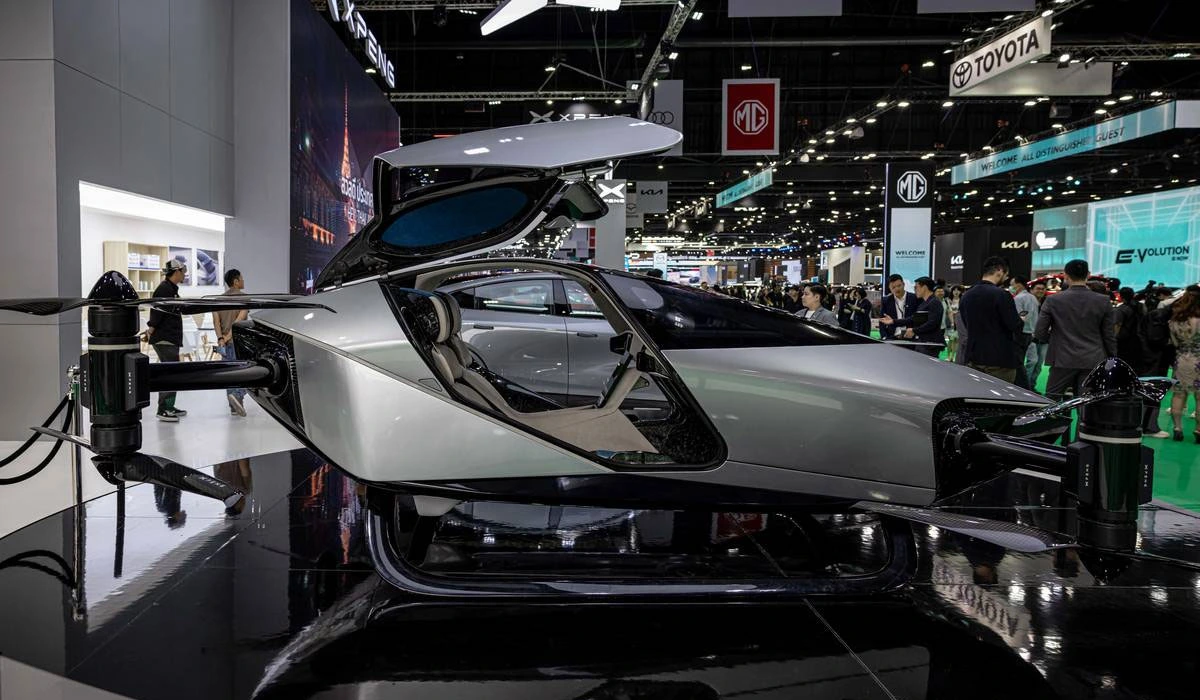
Perhaps the most ambitious concept cars are those designed to take off. Flying cars have long been a dream of science fiction, but several companies are now prototyping real vertical takeoff and landing (VTOL) vehicles. These flying concept cars promise to solve traffic congestion while opening new possibilities for urban mobility.
Flying concept cars combine aeronautical engineering with automotive design, often featuring lightweight composite materials, foldable wings, and electric propulsion systems. Companies like Terrafugia, AeroMobil, and Urban Aeronautics are pioneering models that could soon leave the tarmac for the sky.
Despite regulatory and infrastructure challenges, flying concept cars illustrate the limitless potential of futuristic transportation. They offer a glimpse of a world where commuting could be both faster and more spectacular, blending aviation and automotive industries.
Sustainable Materials and Innovative Design
Sustainability is a central theme in modern concept cars. Beyond electric drivetrains, automakers experiment with eco-friendly materials like recycled plastics, bio-based composites, and plant-derived leather alternatives. Concept cars also embrace modular design, allowing components to be easily upgraded or replaced, reducing waste over the vehicle’s lifespan.
In addition to sustainability, concept cars push the boundaries of aesthetic design. Futuristic lighting, sculpted body panels, and augmented reality dashboards create immersive experiences for drivers and passengers. Some concepts even integrate solar panels to provide supplementary energy, combining innovation with practicality.
By blending eco-conscious materials with cutting-edge technology, concept cars serve as laboratories for the vehicles of tomorrow. They reflect a vision where performance, sustainability, and style coexist seamlessly.
As these Your Tech & Lifestyle Hub continue to evolve, the automotive industry will remain at the forefront of innovation, changing the way we live, work, and travel.
Image Information Source:
First Image: tomsguide.com
Second Image: theedgemalaysia.com