Keeping your car in top condition is not only about extending its lifespan but also ensuring your safety and saving money on costly repairs.
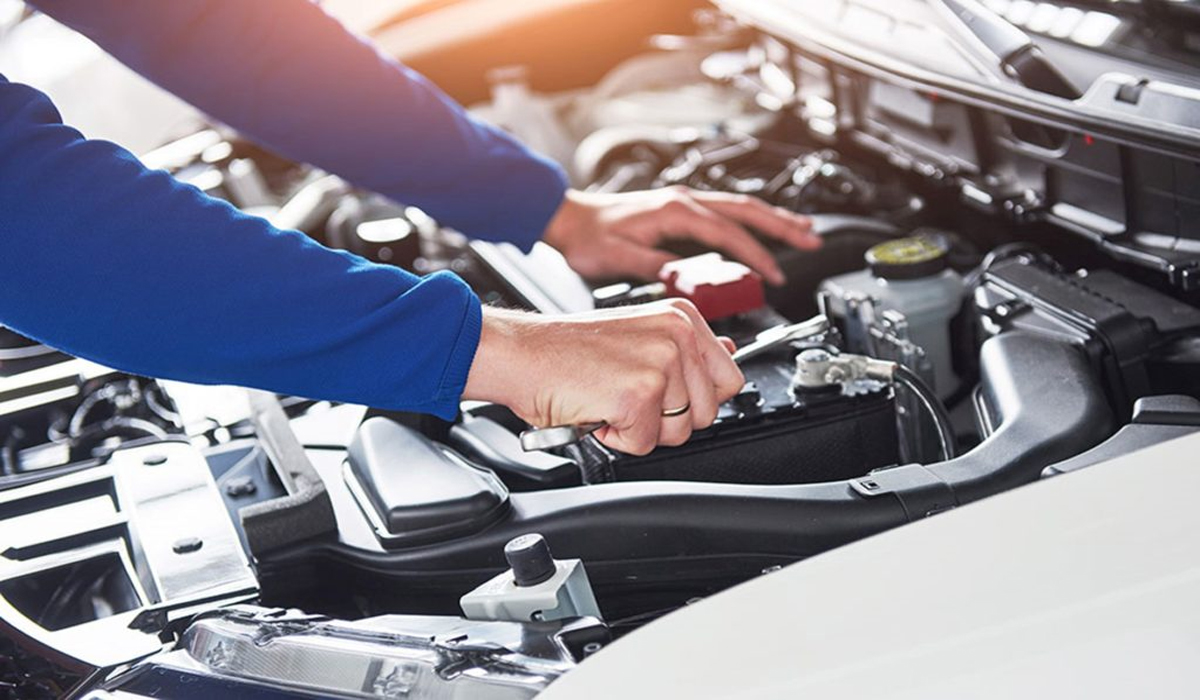
No matter the type or age of your vehicle, consistent maintenance habits can make all the difference. The following Your Tech & Lifestyle Hub best car maintenance tips for every driver.
Regular Oil Checks and Changes
Oil is the lifeblood of your engine, keeping all moving parts lubricated and preventing overheating. Neglecting oil maintenance can lead to serious engine damage, reducing your car’s efficiency and longevity. Checking your oil regularly is a simple yet crucial step. Most cars have dipsticks that allow you to monitor oil levels and color. If it appears dark or gritty, it’s time for a change.
Scheduling routine oil changes according to your manufacturer’s recommendations ensures your engine runs smoothly. Modern synthetic oils may last longer than conventional types, but they still require timely replacement. Ignoring this can result in sludge buildup, which can be expensive to fix.
In addition to changing the oil, remember to replace the oil filter each time. A clean filter removes contaminants effectively, protecting your engine from wear. Pairing regular oil changes with a high-quality filter enhances performance and fuel efficiency, making your driving experience smoother and safer.
Tire Care and Maintenance
Tires are your car’s only contact with the road, so their condition directly affects safety and handling. Start with regular inspections for wear, cracks, or embedded debris. Uneven tire wear could indicate alignment issues or suspension problems that need attention. Maintaining proper tire pressure is equally important, as underinflated tires increase fuel consumption and overinflated tires can compromise traction.
Rotating your tires every 6,000 to 8,000 miles ensures even wear across all four wheels. This simple practice extends tire life and provides consistent handling, especially in adverse weather conditions. Additionally, keeping your tires balanced reduces vibration and prevents premature wear on suspension components.
Don’t forget to check the tread depth. Worn tires reduce grip, particularly on wet or icy roads, which increases accident risk. Using a tread depth gauge or the penny test can help determine if it’s time for replacements. Prioritizing tire health ensures better performance, safety, and a smoother ride.
Brake System Inspections
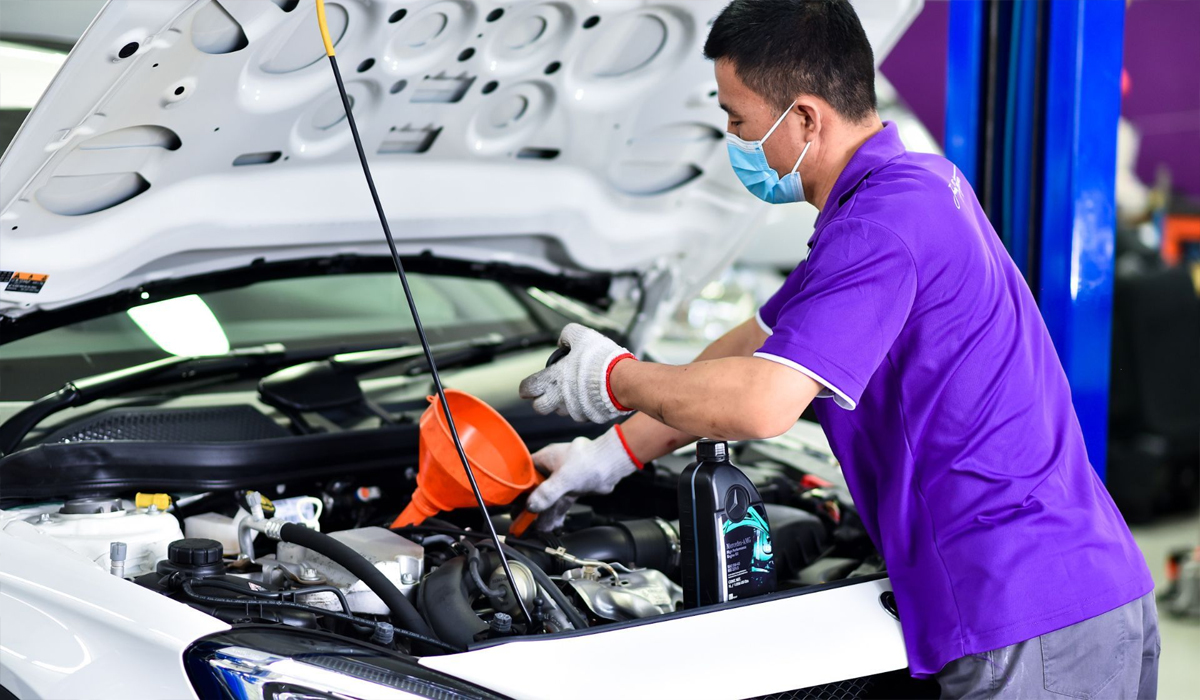
Brakes are one of the most critical safety systems in any vehicle. Listening for unusual noises, such as squeaking or grinding, can help you catch problems early. Even if there’s no noise, regular inspections are vital. Brake pads, rotors, and fluid must be checked periodically to ensure optimal braking performance.
Replacing brake pads before they are completely worn prevents damage to rotors, saving you money in the long run. Brake fluid also requires attention; it can absorb moisture over time, reducing braking efficiency and increasing the risk of corrosion in the system. Flushing and refilling the brake fluid according to your car’s maintenance schedule keeps the system responsive.
If you notice longer stopping distances or a spongy brake pedal, these could be warning signs of serious issues. Addressing them promptly ensures your safety and prevents more expensive repairs. Staying on top of brake maintenance guarantees peace of mind every time you hit the road.
Battery Care and Electrical System
A healthy battery is essential for starting your car and powering electrical components. Begin by checking the battery terminals for corrosion, which can interfere with electrical flow. Cleaning terminals and ensuring a secure connection prevents unnecessary battery strain and sudden failures.
Regularly testing your battery’s voltage and overall health can save you from unexpected breakdowns. Most auto shops offer free battery checks, which are quick yet invaluable. Additionally, understanding the signs of a weak battery, such as dim lights or slow engine cranking, helps you take action before it leaves you stranded.
The electrical system is more than just the battery; alternators, fuses, and wiring also require attention. Ensuring these components are in good condition keeps all electronics functioning properly, from headlights to infotainment systems. Proper battery and electrical maintenance make your driving experience reliable and stress-free.
Conclusion
Car maintenance is not just about avoiding breakdowns it’s about safety, performance, and long-term savings. By focusing on regular oil changes, tire care, brake inspections, and battery health, every driver can ensure their vehicle remains dependable and efficient. Simple habits like checking fluid levels, monitoring tire pressure, and addressing warning signs promptly prevent costly repairs and keep you confident on the road. Ultimately, consistent maintenance transforms your car into a trustworthy companion, ready to take you wherever life leads, without unexpected interruptions.
Check out the latest and other interesting information only at Best Car Maintenance Tips for Every Driver.
Image Information Source:
First Image: moreleta-exp.co.za
Second Image: cartimes.com.sg