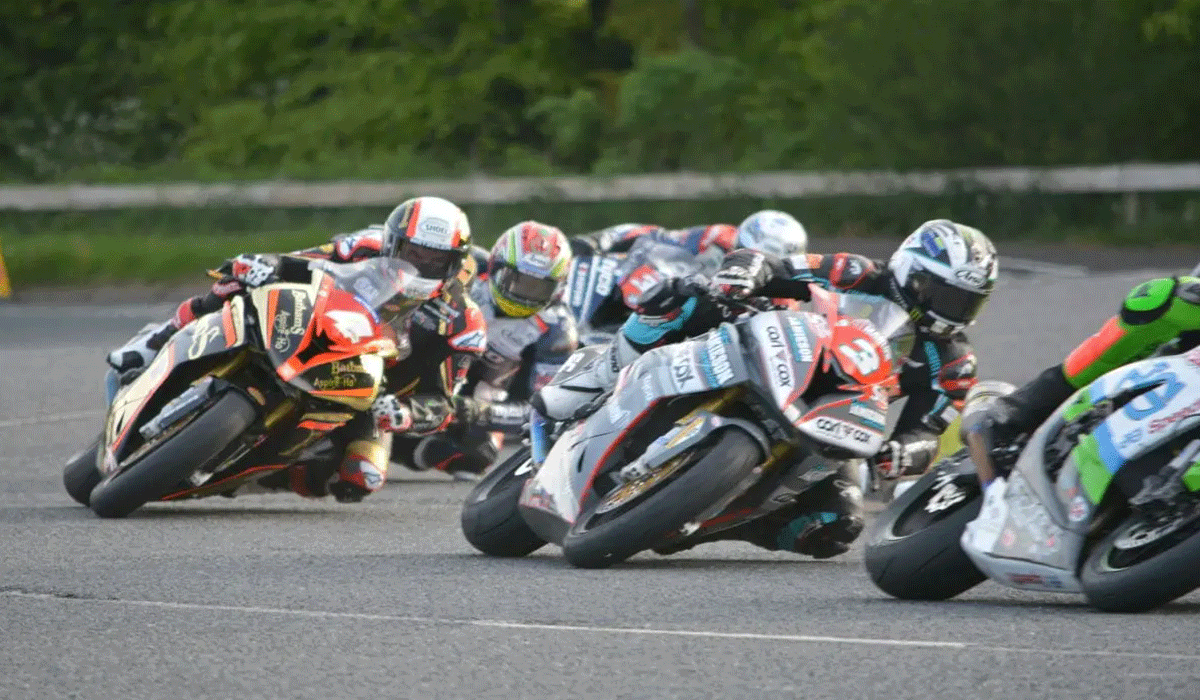
Motorsport represents the highest expression of speed, precision, and human courage. Among the most prestigious competitions in the world are and MotoGP.
Both championships attract millions of fans globally, yet they showcase very different approaches to racing. One is a battle of advanced aerodynamics and engineering brilliance, while the other is a raw display of balance, bravery, and physical control. Comparing them reveals how speed, strategy, and skill take unique forms on four wheels and two.This article discusses Lifestyle Hub
Formula 1 cars are engineered for maximum aerodynamic efficiency and high-speed cornering. With hybrid power units producing over 1,000 horsepower, they can exceed 350 km/h on long straights. However, their true strength lies in cornering speed, where immense downforce allows drivers to maintain incredible momentum through bends that would challenge most vehicles.
MotoGP bikes reach similar top speeds, sometimes even touching 360 km/h depending on the circuit. Unlike F1 cars, they rely less on aerodynamic grip and more on mechanical traction. Acceleration feels more aggressive because the rider’s body becomes part of the machine’s dynamic balance.
While top speeds are comparable, the sensation of speed differs significantly. In Formula 1, velocity feels smooth and calculated, supported by advanced aerodynamics. In MotoGP, speed appears more dramatic and exposed, as riders lean at extreme angles with minimal protection, amplifying the perception of risk and intensity.
Engineering and Technology
Formula 1 is widely regarded as the pinnacle of automotive engineering. Teams invest heavily in wind tunnel testing, simulation software, and data analytics. The hybrid turbocharged engines integrate energy recovery systems that convert braking and heat into additional power, making each car a sophisticated technological masterpiece.
MotoGP technology is equally impressive but follows a different philosophy. The bikes use 1000cc prototype engines paired with advanced electronics for traction control and wheelie management. Aerodynamic wings are increasingly important, yet the rider’s sensitivity and feedback remain central to performance adjustments.
The key difference lies in emphasis. Formula 1 often appears as a competition between engineering departments, where marginal gains determine success. MotoGP, while technologically advanced, still highlights the rider’s direct influence over the machine, making human input feel more visible and immediate.
Also Read: Hyperdrive: Engineering the Digital Future of Motorsport
Race Strategy and Tactics
Strategy plays a defining role in Formula 1 races. Tire compound selection, pit stop timing, and energy deployment strategies can transform the outcome. A well-executed undercut or perfectly timed safety car stop often determines victory more than raw speed alone.
In MotoGP, races are shorter and typically do not involve routine pit stops. Strategy revolves around tire conservation, race pace, and overtaking timing. Riders must decide when to push aggressively and when to protect their tires for the final laps.
Because of these differences, Formula 1 can resemble a tactical chess match unfolding over time. MotoGP feels more like a continuous battle, where positioning and split-second decisions dictate immediate results without extended strategic pauses.
Driver and Rider Skill
Formula 1 drivers endure extreme G-forces, sometimes reaching up to 5G in high-speed corners. Neck strength, cardiovascular endurance, and mental focus are critical. Drivers must interpret vast amounts of data while maintaining precision at extraordinary speeds.
MotoGP riders face intense physical strain of a different kind. They shift their body weight dramatically, hang off the bike in corners, and control slides with subtle throttle adjustments. The physical effort is constant and visibly demanding throughout the race.
Both disciplines require elite reflexes and unwavering concentration. However, MotoGP riders appear more physically exposed, while F1 drivers operate within a technologically protected cockpit. Each form of skill reflects the nature of its machine.
Safety and Risk
Safety advancements have transformed Formula 1 over the decades. Features like the halo cockpit protection system and advanced crash structures significantly reduce fatal risks. Modern circuits also incorporate extensive runoff areas and impact-absorbing barriers.
MotoGP has introduced innovations such as airbag-equipped racing suits and improved helmet technology. Despite these advancements, riders remain more physically vulnerable due to the open nature of motorcycle racing.
Although both championships prioritize safety, the perception of danger remains stronger in MotoGP. The lack of an enclosed structure makes every fall more dramatic, reinforcing the courage required to compete at this level.
Fan Experience and Global Impact
Formula 1 has expanded its global footprint with glamorous city circuits and high-profile events. The championship blends sport, entertainment, and cutting-edge innovation, attracting diverse audiences worldwide.
MotoGP maintains a passionate fan base known for intense loyalty and vibrant race-day atmospheres. Close racing and frequent overtakes create thrilling spectacles that often keep results uncertain until the final lap.
Both series influence automotive and motorcycle technology beyond the track. They inspire innovation, shape global motorsport culture, and captivate millions who admire the pursuit of ultimate speed and excellence.
Conclusion
Formula 1 and MotoGP represent two extraordinary interpretations of racing performance. One emphasizes aerodynamic mastery and intricate strategy, while the other showcases raw balance and visible rider bravery.
Choosing between them ultimately depends on personal preference. Whether captivated by four wheels slicing through corners or two wheels leaning at impossible angles, fans can appreciate that both championships define the pinnacle of speed, strategy, and skill.
Image Source:
First Image from news.gp
Second Image from motorsportengineer.net